
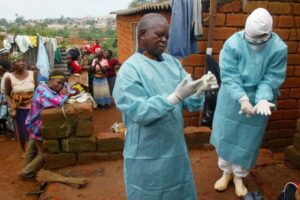
Bundibugyo Ebola outbreak is spreading through conflict-hit provinces where surveillance, trust and access are already weak. Read more »

Kerala’s monsoon brings overlapping disease threats. K-CDC must link health, animal, climate and local-body data. Read more »
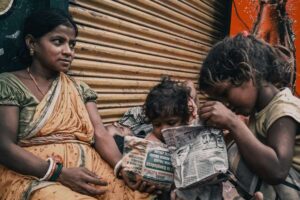
NFHS-6 shows progress in maternal and child health, but India’s next challenge is chronic disease, ageing and local capacity. Read more »

India’s wellness industry is moving beyond soft power into jobs, tourism, exports, digital health, and preventive care. Read more »

India’s rare disease policy created hope, but many patients lose treatment once the Rs 50 lakh cap is exhausted. Read more »
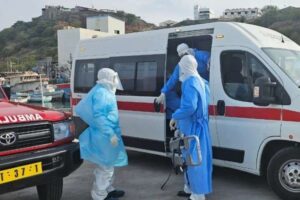
Hantavirus is unlikely to cause a pandemic, but it exposes serious gaps in surveillance, cruise biosecurity, and zoonotic preparedness. Read more »
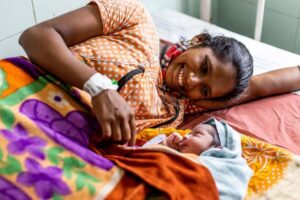
India needs an autonomous midwifery policy, stronger training, and protected care units in public health facilities. Read more »

India’s growth has outpaced its sports infrastructure, hurting public health and grassroots talent. Read more »
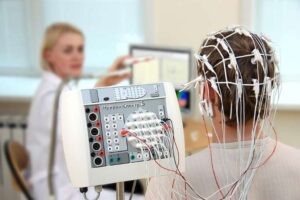
Natural EEGs can support long-term monitoring outside hospitals for people with neurological disorders, and help others track health issues. Read more »

Artemis II is more than a lunar flyby; it highlights how deep space and satellite systems are reshaping public health. Read more »