

Between 1993 and 2012, Indian GDP grew at an annual average rate of 7%, but the top 1% earners walked away with about 30% of national income, leading to higher income inequality. Read more »

Policy should address the issue of demographic dividend – India is producing a large labour force that needs to be employed gainfully. Read more »

The government’s consumer protection efforts should strike a balance the between the health of the economy and the wellbeing of consumers. Read more »

India’s poorest states need to revamp their development strategies to bridge the widening inequality with the developed states in the southern and western regions. Read more »

The VPN guidelines in the current form go against the spirit of the provisions of the Data Protection Bill which is yet to become law. Read more »

Large-scale construction by the strategically important Char Dham road project is causing irreparable damage to the fragile Himalayan ecology and could have disastrous consequences. Read more »
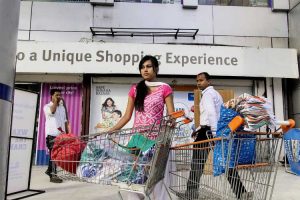
Persistently high inflation will require unpopular fiscal and monetary policy prescriptions as it could lead to undesirable outcomes such as stagflation and recession. Read more »

While achievements at the WTO ministerial may have silenced the sceptics, India’s tough opening position presented a learning experience for trade negotiators. Read more »

As a democracy, India will have an advantage in the new economic order if it manages to reorient its domestic policies to promote human rights and ecological wisdom. Read more »

At the WTO ministerial conference in Geneva, India has vowed to oppose the continuation of a moratorium on duties on cross-border electronic transmissions that has been in place since 1998. Read more »