





Women entrepreneurs in India: The latest Women and Men in India 2025 report by the National Statistical Office (NSO) presents a more complex picture of gender and work than the usual debate allows. Much attention has gone to the rise in female labour force participation. But a parallel shift is visible elsewhere. Indian women are becoming more visible as entrepreneurs, investors and financial participants, even as their position in the labour market remains weak.
The distinction matters. There is a difference between working women and economic women. The first category is captured by labour force data. The second includes ownership, investment, enterprise and financial decision-making. India is seeing gains in the second category without solving the weaknesses in the first.
READ I IT sector still struggles with gender imbalance
Women entrepreneurs in informal enterprises
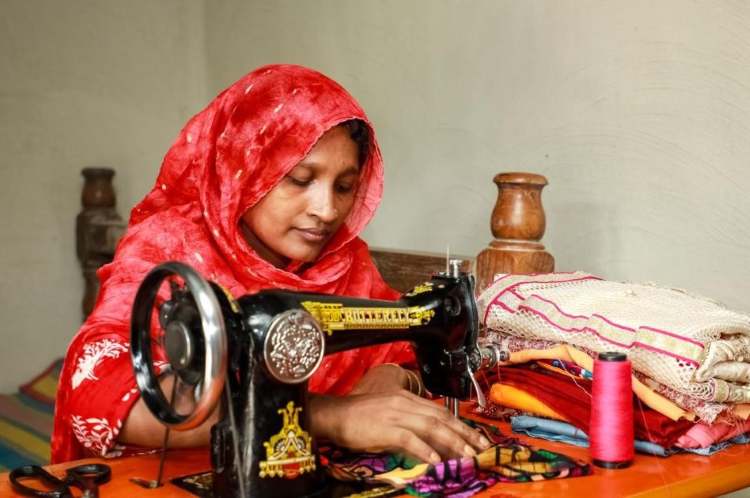
Women now account for 26.2% of proprietary establishments in the unincorporated sector, up from 24% two years earlier. The gains are sharper in manufacturing, a sector usually seen as having higher entry barriers. In states such as Telangana, Karnataka and Gujarat, women-led enterprises account for a dominant share. Bihar’s increase from 31% to 63% in three years is striking.
This broadening of economic agency is real. But its quality needs scrutiny. Most of these enterprises operate in the informal economy. They have low capital intensity, limited scale and weak links with formal supply chains. Women are increasingly owning businesses. They are not necessarily building firms that can grow, hire workers or accumulate capital.
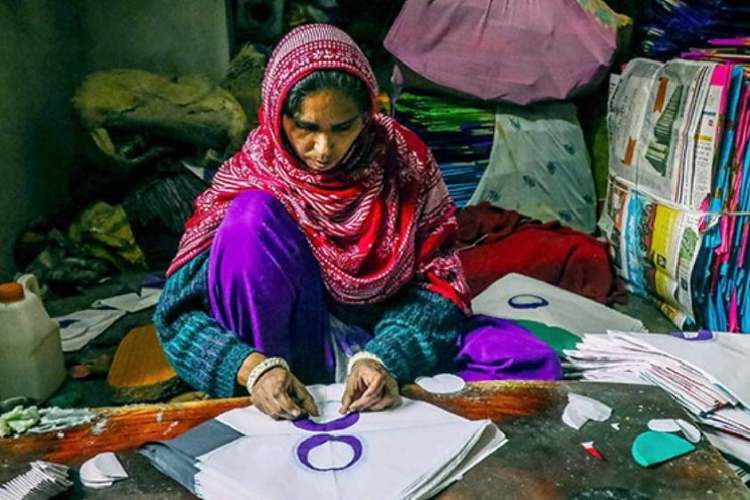
This follows a pattern seen in many developing economies. Self-employment often expands when formal jobs are scarce. In India, the rise of women entrepreneurs partly reflects the same constraint that shapes female labour participation: the shortage of adequate and suitable jobs.
That does not make the trend merely compensatory. It also points to a gradual widening of women’s engagement with markets.
READ I Gender statistics, unpaid work, and the limits of labour data
Women investors and financial inclusion
Women’s participation in financial markets has expanded. The number of women holding demat accounts has risen nearly fourfold between 2021 and 2025. Women now make up close to a quarter of investors.
This is a significant change in household financial behaviour. Women are moving from passive savers to active investors. Digital platforms, online trading and financial inclusion initiatives have lowered entry barriers for first-time investors.
But the shift remains incomplete. Women still hold less than one-fifth of total demat accounts. Social constraints, financial literacy gaps and limited control over household assets continue to keep many women outside formal financial participation.
India’s empowerment story is therefore fragmented. Women are expanding their footprint in ownership and finance. Yet they remain disadvantaged in wages, employment quality and access to regular jobs.
READ I Urban gender gap threatens India’s demographic dividend
Female labour participation hides sharp divides
The NSO report also shows that rural India is driving the rise in labour participation. Urban India is where newer forms of economic engagement, such as entrepreneurship and investment, are gaining traction. These are not comparable realities. A rural woman entering agricultural work and an urban woman trading equities or running a small enterprise occupy very different economic worlds.
The rural surge also needs a more cautious reading. Higher participation does not always mean better work. Many women counted as workers are engaged in agriculture, household enterprises or self-employment, often without regular wages or social security. Some of this reflects economic necessity rather than new opportunity.
The measurement problem is sharper for women because unpaid help in a family enterprise may enter labour statistics, while unpaid care work at home remains invisible. A rise in participation, therefore, can coexist with weak income, low productivity and little control over assets. This is why India must judge women’s economic progress by wages, hours, ownership, mobility, childcare access and social security, not by participation rates alone.
Urban young women continue to face high unemployment. This is especially troubling because many have higher levels of education. The transition from education to employment remains weak. India’s growth sectors are not absorbing educated female workers at the scale required.
The wage gap also persists. Across most occupations, women earn significantly less than men. Occupational segregation, weaker bargaining power and discrimination continue to shape outcomes. Entry into the workforce does not guarantee equality.
There is one notable exception. In the top occupational category, including legislators, senior officials and managers, urban women earn marginally more than men on an hourly basis. This is a narrow segment. It shows that when women enter high-skill formal roles, the gender gap can narrow or even reverse. For now, that remains the exception.
Unpaid work remains the binding constraint
The disproportionate burden of unpaid work remains one of the biggest constraints on women’s economic participation. Even when women take up paid work or run enterprises, domestic responsibilities continue to fall mainly on them.
This double burden limits the scale and productivity of their participation. A woman may be counted as employed, self-employed or financially active. But the time available to her remains sharply constrained. This is why participation data alone can mislead.
The NSO data shows that the labour market is only one part of the story. Women’s economic roles are diversifying. Inequality is diversifying with them.
Policy must recognise this. Job creation and skilling remain necessary, but they are not enough. Women entrepreneurs need easier access to credit, markets and formal supply chains. Financial inclusion must move beyond account ownership to literacy, agency and control over assets.
India must also rethink how women’s economic participation is measured. Labour force participation captures one dimension. It does not capture ownership, investment, unpaid labour or the quality of work. Policy debates should not narrow the question to employment statistics alone. The larger shift is happening across the economy. It is promising, but still fragile.