





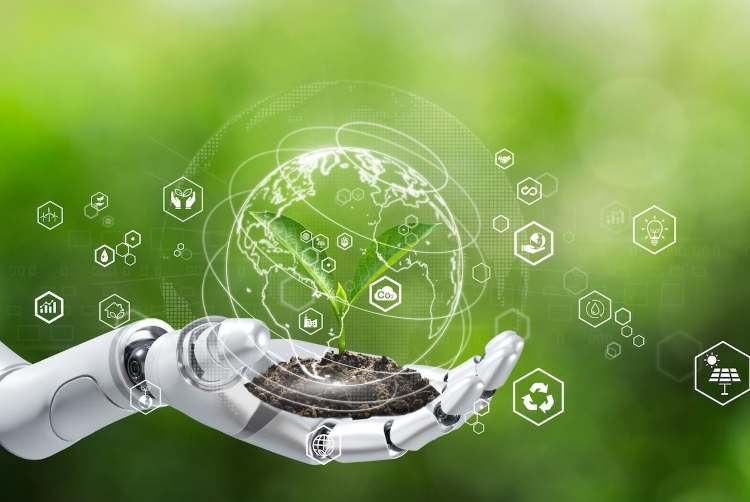
AI needs a sustainability test: Artificial intelligence has acquired a green halo. It is expected to forecast renewable power, cut waste, detect leaks, save fertiliser, manage traffic and even protect wildlife. Much of this is possible. But there is an inconvenient question: how much energy, water and hardware will AI consume while doing all this?
The relationship between AI and sustainability runs both ways. AI can improve the use of resources. It is also a heavy user of them. Any serious assessment must count both.
The attraction of AI is easy to understand. Machines can process huge amounts of data from various sources such as sensors, satellites, weather stations and factory equipment much faster than human brain. They can easily spot patterns, predict failures and adjust systems continuously. That can produce real savings.
READ I China’s AI strategy is built for the world beyond America
AI as sustainability tool
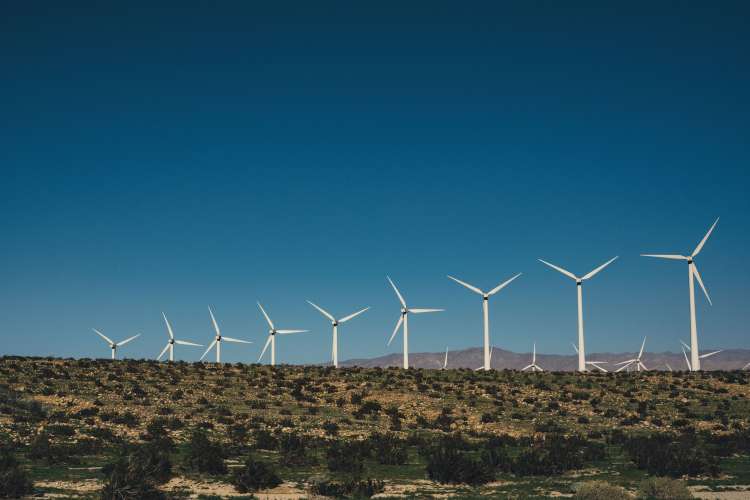
Power systems are an obvious example. Power generation from solar and wind can fluctuate with the weather. Better forecasts can help grid managers plan supply and reduce the need for costly backup. AI can also shift some demand away from peak hours. This becomes handy as rooftop solar, batteries and other distributed sources multiply.
Buildings waste large amounts of power because of badly managed air-conditioning, lighting and equipment. Sensors linked to machine-learning systems can reduce such waste. The same methods can warn that a chiller, pump or motor is about to fail. None of this is glamorous. It may still deliver more environmental value than many grand climate programmes.
READ I AI training data raises a worker ownership question
Water utilities can use pressure and flow data to find leaks and forecast demand. Farmers can combine soil, weather, satellite and drone data to use less water and fertiliser. Computer vision can identify crop disease before it spreads. Waste operators can improve sorting. Retailers and food companies can forecast demand more accurately and throw away less.
There are similar uses in factories, transport and disaster management. A manufacturer can predict machine failure and reduce idle running. A logistics company can improve routes. Pollution agencies can combine traffic, industrial and weather data to identify dangerous episodes earlier. Forest and wildlife departments can analyse camera traps, acoustic recordings and GPS signals on a scale that manual monitoring cannot match.
READ I Can India power the artificial intelligence dream?
AI in banking and finance
Finance sector has joined the parade. Banks and investors are using AI to read company reports, news and other data while assessing environmental risk. This may help, but only up to a point. A clever model cannot turn poor disclosure into good information. It can process rubbish faster.
The other side of the ledger is less fashionable. Data centres consume electricity. Their cooling systems use water. Advanced chips require energy, minerals and complex manufacturing. Servers are replaced, electronic waste piles up and the demand for computing keeps rising. If the power comes from coal, the green claims become weaker still.
It is therefore foolish to label every AI application sustainable. The relevant question is not whether AI has been used, but whether it produces a measurable net gain. Does a model save more electricity than the data centre consumes? Does better irrigation save enough water to justify the computing and sensor network? Does an elaborate ESG system improve decisions, or merely produce another score?
Governments and companies should start with uses where the gains can be measured. Pilot projects are preferable to large technology contracts based on promises. Procurement rules should demand evidence on power use, water consumption and emissions. Developers should not assume that a larger model is necessarily a better one. In many cases, a smaller model trained for a specific task will be cheaper and greener.
Renewable power for data centres will help, but it is not a free pass. Water use, hardware demand and electronic waste remain. Disclosure should cover these costs instead of burying them beneath claims of efficiency.
AI can certainly aid sustainability. It can also become another resource-hungry industry wrapped in virtuous language. The difference will be decided by arithmetic, not slogans.
Pratima Pandey is Advisor at InfiSum Modeling Pvt Ltd.
READ I India-UK CETA puts exporters’ capacity to test

Dr Badri Narayanan Gopalakrishnan is Fellow, NITI Aayog. Views expressed are personal.