





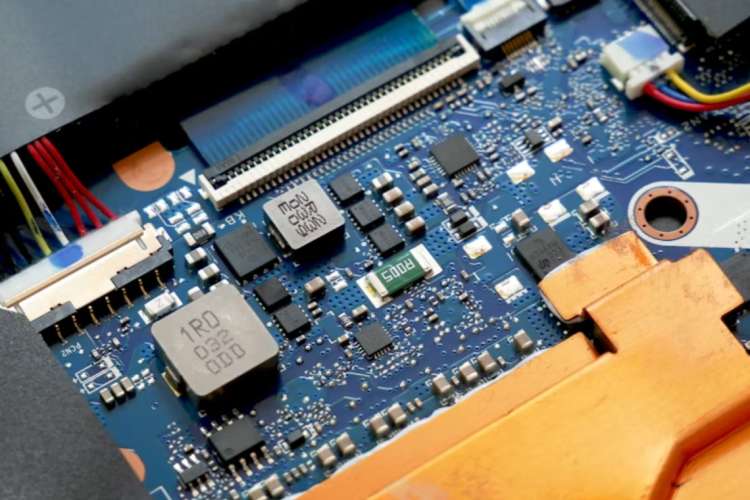
Automotive chip shortage raises costs for Indian carmakers: India’s carmakers are paying more for memory chips as semiconductor producers shift capacity towards artificial intelligence data centres. Tata Motors Passenger Vehicles told Business Standard on November 15 that it was paying higher prices to secure semiconductors and other electronic components and had so far kept production running. S&P Global Mobility reported in May that prices for one widely used type of automotive memory, LPDDR4, were already about 70% higher year on year in January. For Indian carmakers, the immediate problem is securing enough chips to keep assembly lines running. The longer-term problem is that some of the chips built into today’s cars are becoming harder to source.
Why AI demand is squeezing automotive memory
Memory suppliers have a financial incentive to devote more capacity to high-bandwidth memory, which commands higher margins and is used in AI servers. That shift tightens supply of older types of dynamic random-access memory, or DRAM, that still have years of service ahead in vehicle platforms. S&P Global Mobility expects further pressure on prices and availability as suppliers move away from older generations such as DDR4 and LPDDR4.
READ | India’s semiconductor industry needs more than money
The exposure extends across petrol, diesel and electric models. Infotainment systems and digital instrument clusters use memory chips, including in relatively inexpensive cars. Mahindra & Mahindra said in February that the risk ran across its portfolio and that it was building inventory and paying premiums to secure supplies. In May, it warned analysts that demand from AI applications could keep memory supplies tight.
Automotive chip shortage: Where just-in-time procurement falls short
The pandemic showed how quickly a shortage of inexpensive components could halt vehicle production. When demand for cars fell in 2020, some automakers cut chip orders. By the time vehicle demand recovered, chipmakers were serving stronger demand from industries such as consumer electronics. A September analysis by Federal Reserve economists found that US light-vehicle production in the third quarter of 2021 was 20% below its level in the final quarter of 2020. Against that baseline, the cumulative shortfall exceeded two million vehicles in 2021 and 2022. Output regained its late-2020 level only in early 2023.
READ | Success of semiconductor mission depends on ground-level delivery
Just-in-time manufacturing keeps working capital out of warehouses. It works best when suppliers can replenish parts predictably. A chip with a long lead time and few qualified substitutes is a poor candidate for lean inventories. Carmakers and their component suppliers should use multi-year agreements to secure volumes for such parts and qualify a second source where feasible. Holding extra stock costs money and carries the risk of obsolescence. The case is strongest for parts that can stop a production line and take months to replace.
Carmakers also need to decide which systems to redesign before older memory becomes harder to buy. A chip with similar specifications still has to be qualified for use in a vehicle, including for temperature tolerance and reliability over years of operation. Moving to newer memory may require changes to the electronics around it. That work belongs in the schedule for the next vehicle platform, while manufacturers still have time to test alternatives.
READ | India Semiconductor Mission 2.0 faces the import test
What India’s semiconductor policy can do
NITI Aayog’s Trade Watch put India’s import dependence for semiconductors and components at roughly 90–95% as of 2023. The figure covers a much broader market than automotive memory, but it shows the scale of India’s reliance on overseas suppliers. Assembling a dashboard or electronic control unit in India still leaves the vehicle maker exposed if the critical chips inside it come from a single supplier abroad.
The India Semiconductor Mission already aims to deepen domestic capabilities in chip design, materials and equipment. Building a competitive source of automotive DRAM is a distinct undertaking. Carmakers can start by identifying the components Indian suppliers have a credible chance of making, working with them on design and qualification, and committing to buy when those parts meet automotive standards. A supplier weighing an investment in an automotive production line needs to know which parts carmakers will buy, in what volumes and for how long.