





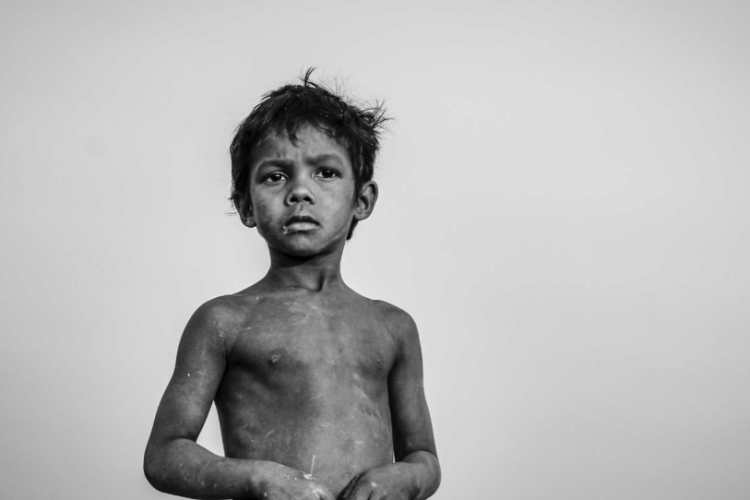
A hungry child and an overweight child are usually placed in separate public debates. One is seen as a victim of poverty, the other as a victim of lifestyle. That division has become harder to defend. The first lacks food; the second may have enough calories and too little nutrition. For developing economies, malnutrition now carries both meanings.
The old policy shorthand treated malnutrition as hunger, food scarcity and low body weight. That description is now incomplete. Undernutrition persists, but obesity, diabetes and diet-related disease have moved into the same households, schools and labour markets. The issue is no longer the availability of food alone. It is the quality of what people eat.
READ | Floods, diarrhoea and India’s child malnutrition crisis
Malnutrition and the nutrition transition
Food systems have changed faster than public health habits. Urbanisation, higher incomes and time-poor workdays have pushed households towards packaged snacks, sugary drinks, instant meals and food delivered through apps. Traditional meals built around cereals, pulses, vegetables and seasonal foods face competition from products designed for shelf life, taste and repeat purchase.
Children and young adults are the easiest market. Advertising, social media and price promotions influence food choices before nutrition labels are even read. The outcome is the familiar nutrition transition: diets become richer in calories, sugar, salt and unhealthy fats, even as vitamins, minerals and fibre are squeezed out. A full stomach then hides a poor diet.
Nutrition inequality and household choice
Malnutrition is also an economic problem. Low-income households do not shop in the abstract. They buy what is affordable, available and filling. Fruits, vegetables, dairy and lean proteins often cost more than refined carbohydrates, fried snacks and sugary drinks. A family can meet its calorie needs and still fall short on iron, protein or micronutrients.
READ | Policy failures deepen India’s malnutrition crisis
Location sharpens the divide. Some rural families still struggle with access to diverse food. Urban families face a different food environment, with unhealthy products available at every street corner and through every phone screen. Education, gender and household income shape who eats first, who eats well and who absorbs the cost of poor diets later.
The damage starts early. Undernourished children face weaker physical growth and learning outcomes. Adolescents and adults exposed to cheap calorie-dense diets face higher risks of obesity, hypertension, diabetes and cardiovascular disease. Both outcomes reduce productivity and raise health spending. Poor nutrition is carried from the kitchen to the classroom, workplace and clinic.
Food marketing and weak consumer freedom
Consumer choice is not as free as it appears. Food companies spend to make unhealthy products visible, desirable and convenient. When these products are cheaper and easier to buy than nutritious alternatives, personal responsibility becomes a thin explanation. The market has already shaped the menu before the consumer chooses.
Convenience has also changed household routines. Instant noodles, packaged snacks, sweetened beverages and app-based meals were once occasional purchases. For many households, they now sit inside the daily diet. The shift is cultural as much as economic. Food is increasingly judged by taste, speed and price; nutrition gets considered, if at all, after illness appears.
READ | Poshan Abhiyaan fails to tackle India’s malnutrition crisis
Consumers are still part of the answer. Demand for processed food has encouraged its expansion. A shift in food habits will require families to treat nutrition as part of household budgeting, not as advice offered by doctors after the damage is done. Awareness cannot substitute for income, but it can change what households reward in the market.
Malnutrition policy beyond food security
Governments cannot stop at grain distribution and calorie sufficiency. School meals need stronger nutrition standards. Food regulators need clearer labelling rules and tighter checks on marketing aimed at children. Health ministries and education departments should treat diet as prevention, not as a campaign slogan issued once a year.
Local production of nutritious foods also deserves more attention than it gets. If vegetables, pulses, eggs, milk and fruits remain expensive or irregularly available, nutrition advice will have limited effect. Public procurement, school feeding, community kitchens and local supply chains can move diets in a healthier direction without turning nutrition into a lecture.
The idea of a full plate once stood for security. It no longer says enough. A plate filled with sugar, salt and refined starch can sit beside hunger as part of the same public health failure. Developing countries have to fight scarcity and excess together, because both now draw from unequal access to good food.
Dr Isha Sharma and Parul Oberoi are Assistant Professors in Economics at School of Social Sciences, Christ University, Delhi NCR Campus.
READ | Right to food: Tackling malnutrition and diet-driven diseases