





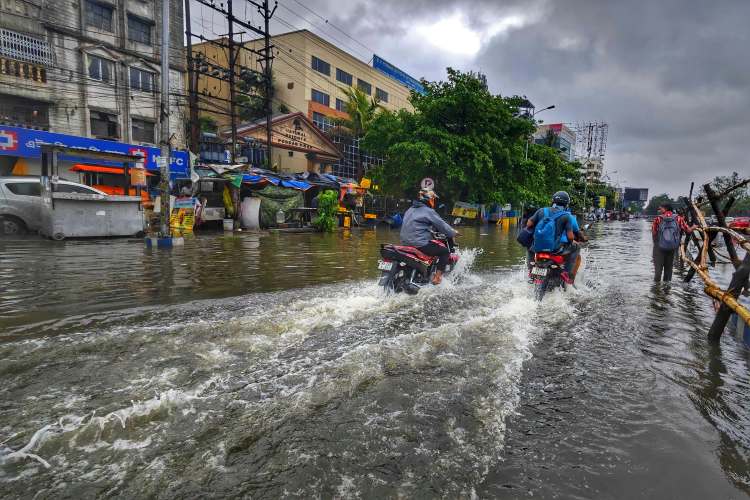
Heatwaves and floods threaten Indian cities: As temperatures in India’s cities break records this summer, the heat blanketing Bengaluru, Mumbai and other cities is not seasonal discomfort. It is a warning. Each degree of warming loads the atmosphere with more moisture, released not gradually but in short, intense bursts. When the monsoon arrives, it will meet cities unprepared. Choked drains, encroached floodplains and neglected infrastructure will turn rainfall into disruption. The question is no longer whether cities will flood, but whether policymakers will admit they are not ready.
The costs are no longer episodic. The World Bank has estimated that flooding alone already imposes annual losses running into billions of dollars across Indian cities through infrastructure damage, lost working hours and supply chain disruptions. Urban heat further reduces labour productivity, especially in construction and informal services, compounding economic losses that rarely enter municipal balance sheets.
READ I Budget 2026: Tier II cities push lacks climate resilience
Heatwave, monsoon volatility, floods
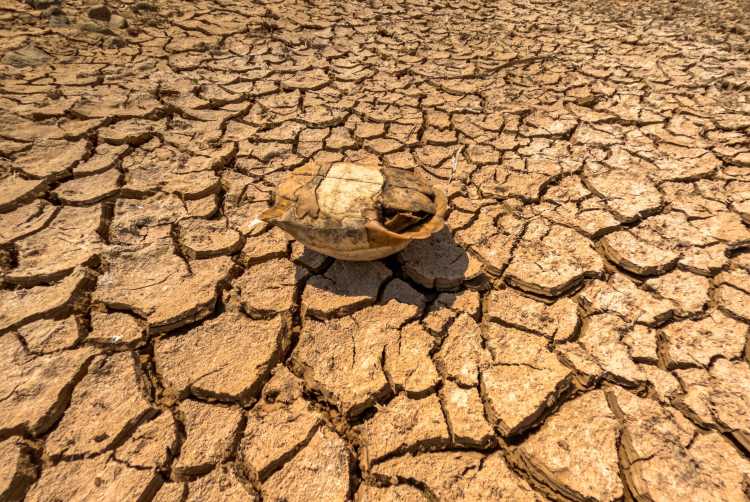
India is entering what Japanese meteorologists call “cruelly hot” conditions. Forecasts of a weaker 2026 monsoon point to uneven rainfall. Pre-monsoon hailstorms in Bengaluru are early signals. The city has already recorded 36–36.6°C, with forecasts nearing 38°C, well above its April norm. Extended heat and dry spells are increasing atmospheric instability. The result is not steady rain, but short, concentrated downpours.
When the monsoon breaks, it does not arrive gently. In 2025, Bengaluru saw nearly 130 mm of rain within 12 hours, flooding underpasses and halting transport. This is no longer an anomaly. Kolkata, Chennai and Mumbai have seen similar events. Mumbai’s 2005 floods — 944 mm rain in a day — remains the benchmark of urban failure. Gurugram, despite planned infrastructure, continues to flood after a few hours of heavy rain.
The India Meteorological Department and global climate models project a rise in both the frequency and intensity of extreme rainfall events through 2030. Dry spells are lengthening, while rainfall is becoming more concentrated. Urban infrastructure was designed for neither condition.
READ I How game theory can help design strategies for climate crisis, diplomacy
Infrastructure not built for floods
Indian cities lack functional stormwater systems. Drainage networks often double as sewer lines and discharge into nearby rivers. Natural drainage has been disrupted by filling wetlands and lakes, and replacing green cover with concrete. This has reduced infiltration and increased surface runoff.
Governance failures compound the problem. Urban management is fragmented across agencies. Land-use regulations are weakly enforced. Drainage networks are poorly mapped. The result is predictable: rainfall overwhelms systems that were never designed to cope.
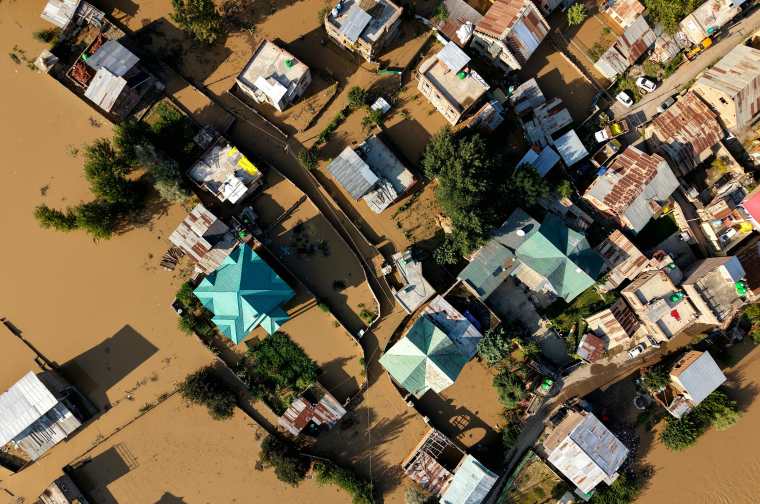
The burden of this failure is uneven. Informal settlements, often located on low-lying or marginal land, face the first and worst impacts — waterlogging, loss of shelter, contamination of drinking water and repeated asset loss. Heat exposure is also highest in these areas, where housing materials trap heat and access to cooling is limited. Urban climate stress is therefore not just an infrastructure issue, but a distributional one.
Restoring natural drainage is no longer optional. Wetlands, lakes and floodplains need protection, not conversion. Urban design must prioritise permeability through green cover and permeable surfaces.
READ I How climate change is reshaping Arctic geopolitics
Heat islands and flawed urban design
Floods are only one side of the crisis. Cities are already overheating. The urban heat island effect is well understood but routinely ignored. Building design is worsening it.
At a recent conference on urban climate, Anumita Roy Chowdhury of the Centre for Science and Environment noted that Indian architecture has imported Western design models without adapting them to local conditions. Glass-façade buildings trap solar radiation and release heat slowly, raising night-time temperatures. They also drive heavy air-conditioning demand, which further heats the surrounding environment.
This is a feedback loop. The built environment is amplifying the heat it must then counter.
The health consequences are immediate. Heatwaves are already associated with rising cases of heatstroke and excess mortality, as seen during the 2015 and 2022 events across multiple states. Flooding compounds this by increasing the risk of vector-borne diseases such as dengue and malaria, along with water-borne infections. Urban health systems, already stretched, are rarely designed for such simultaneous climate stresses.
Forgotten climate intelligence
India’s traditional architecture solved many of these problems. The solutions were abandoned, not lost.
Stepwells in Gujarat and Rajasthan, including Rani ki Vav, moderated temperatures through subterranean design. Courtyard homes in Chettinad and havelis in Rajasthan used cross-ventilation and thick walls to regulate heat. Jaali screens filtered sunlight while allowing airflow.
Jaipur’s 18th-century layout used wide streets and orientation to maximise airflow. These principles have been ignored in contemporary expansion. Traditional sloped terracotta roofs drained water efficiently, unlike today’s flat concrete roofs that trap heat and accumulate rainwater.
India’s cities face a dual stress: rising heat and extreme rainfall. Both are predictable. Both are intensifying. The infrastructure gap is not accidental. It reflects policy choices — on land use, design and governance.
The failure is not technical. It is institutional. The tragedy is not that solutions are unknown. It is that they were set aside.
Riya Bhattacharya is a Senior Research Fellow at the Centre for Decentralisation and Development, ISEC, Bengaluru, and Adjunct Faculty at the Ramaiah Institute of Applied Sciences.