





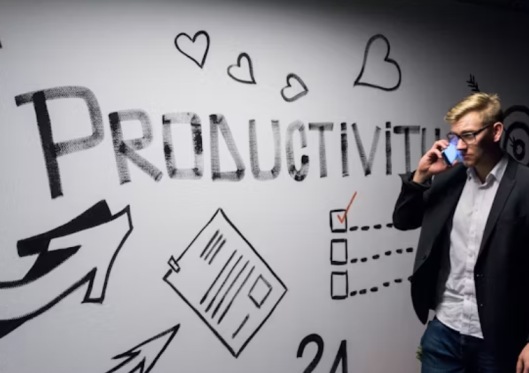
Workplace productivity: For years, workplaces have rewarded busyness and constant availability. Employees are expected to attend every meeting, respond instantly, and remain perpetually visible. The assumption is simple: activity signals commitment, and commitment delivers results. The reality has been less flattering. Anxiety, burnout, disengagement and attrition have risen even as working hours have lengthened.
In a hyper-connected environment, pressure is measured less by output than by responsiveness. The speed of reply becomes a proxy for seriousness. Presence replaces performance. The costs are visible in declining morale and rising fatigue, but also in weaker decision-making and shallow work.
READ | Why Gen Z is redefining workplace productivity
Hustle culture, digital connectivity, employee burnout
Digital connectivity has intensified this culture. Messaging platforms and video calls have removed natural pauses from the workday. Employees are expected to react immediately or risk appearing disengaged. Firms often mistake activity for impact, reinforcing performative habits that look busy but add little value.
Fear plays a role. When colleagues stay late or attend every meeting, opting out feels risky. Unclear priorities compound the problem. Workers attempt everything at once, spreading attention thin and delivering less in return. The outcome is not efficiency but exhaustion.
JOMO at work: A productivity strategy, not disengagement
The alternative is not disengagement, but restraint. This is where JOMO- the Joy of Missing Out- enters workplace thinking. JOMO rejects the idea that doing more signals seriousness. Instead, it rests on judgment: deciding what deserves attention and what does not.
In practical terms, JOMO means fewer interruptions, clearer priorities, and firmer boundaries. It involves declining low-value meetings, muting unnecessary digital noise, and reserving time for work that requires concentration. The aim is not reduced effort, but better allocation of it.
READ | India’s AI dilemma: Jobs vs productivity growth
Why incentive structures undermine JOMO
There is, however, a harder constraint that good intentions alone cannot overcome. Most organisations still reward visibility, not judgment. Appraisals track hours logged, messages answered, and meetings attended more reliably than outcomes delivered. Promotion often follows those who appear indispensable rather than those who choose carefully.
In such settings, opting out carries risk. Employees may be encouraged to prioritise, but incentives tell a different story. Performance systems reward responsiveness over results. Until appraisal frameworks, reporting lines, and reward structures align with stated values, JOMO will remain easier to praise than to practise.
Focus, deep work, and measurable productivity gains
Where organisations do make this shift, the effects are tangible. Employees who concentrate on high-impact tasks produce stronger outcomes and show greater creativity. Stress falls as work moves to a sustainable pace. Clearer priorities improve accountability and time management.
This is not theoretical. Fewer interruptions allow for deeper thinking and better judgment. Work improves when attention is not constantly fragmented. Job satisfaction rises when effort translates into visible value rather than endless activity.
READ | Upskilling of mining workforce for productivity, innovation, inclusivity
Leadership, workplace culture, and psychological safety
Culture changes only when leadership signals restraint. Managers who decline unnecessary tasks, respect boundaries, and leave on time do more than set an example. They redefine what is valued. Recognition must reward quality and judgment, not volume or visibility.
Workplace design matters as well. Physical and digital environments should reduce distraction and support focused work. Flexible schedules and psychological safety allow employees to apply judgment without fear of penalty. Without this safety, JOMO remains a slogan rather than a practice.
Employee engagement, retention, sustainable performance
A JOMO-driven culture also reshapes engagement and retention. Trust replaces surveillance. Autonomy replaces performative busyness. When employees are judged on outcomes rather than availability, they make better decisions and take greater pride in their work.
Over time, the benefits compound. Attrition falls. Collaboration improves. High performance becomes sustainable rather than extractive. Employees remain committed not because they are pressured to stay engaged, but because the work feels meaningful.
JOMO is not about doing less. It is about doing what matters. In workplaces dominated by constant alerts and competing demands, choosing where attention belongs is a productive act. Firms that understand this do not lower standards. They raise them.
In an economy where knowledge work depends on judgment rather than motion, productivity will belong to those who learn to miss what does not matter.
Anagha K Nambiar is a management student, and Dr Sachin Sinha is Associate Professor at Christ University, Bangalore Campus.