

Migration can transform lives and enrich societies, and also generate genuine pressures and vulnerabilities. Read more »
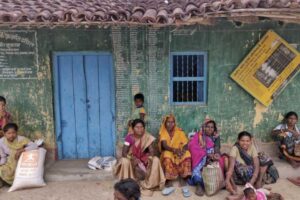
Indian states' social spending has risen, but tighter fiscal space and falling education shares expose a human-capital risk. #socialspending #welfare #education Read more »

Even as democracies are faced with increasing diversity, governments are not holding up their end of the deal, increasing the appeal of far-right. Read more »

News sources are increasingly fragmented. yet the gatekeepers are more concentrated, leading to an information crisis for democracies. Read more »

ILO gig-work convention exposes gaps in India’s laws on classification, pay, algorithms, social security and bargaining rights. #ILO #gigwork Read more »
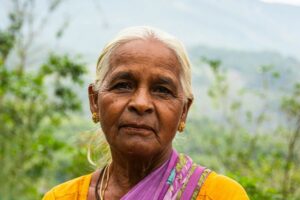
Budget 2026-27 expands elder care, but LASI shows India's elder-care policy needs stronger chronic, outpatient and mental healthcare for an ageing population. #eldercare Read more »

Virtual-water accounting can align India’s rice exports with groundwater security without punishing farmers through repeated export bans. #rice #exports Read more »
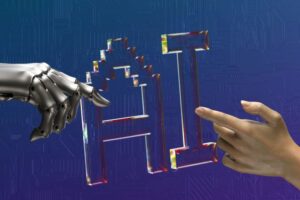
Generative AI is forcing universities to rethink teaching, examinations and the skills students must retain as machines become capable of producing academic work. #AI Read more »

India has expanded disability rights and accessible infrastructure, but courts are still pushing for enforceable standards. #disabilityrights Read more »

Models absorb human creativity without consent, then label human-directed work as machine-made, creating a troubling double erasure of authorship. Read more »