





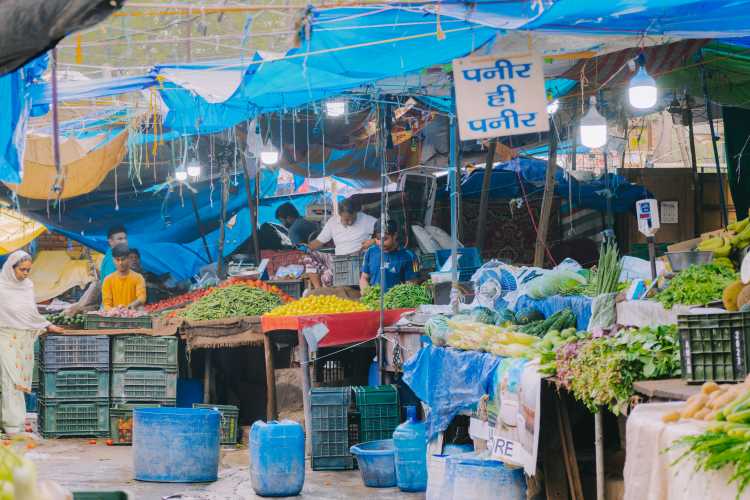
India’s retail inflation rose to 6.09% in October 2026 from 5.54% in September, crossing the Reserve Bank of India’s 6% upper tolerance limit for the first time in two years. Food inflation climbed to 8.94%, and rural households faced a sharper rise in prices than urban households. The provisional figures, released on 12 November, come five weeks after the RBI raised the repo rate to 5.50%. The case for looking beyond food rests in part on what has happened to oil and the rupee. If higher import costs keep working their way into retail prices, inflation could remain elevated even after fresh harvests ease some of the pressure on food.
Food inflation hits rural households harder
Food inflation rose from 7.74% in September to 8.94% in October. Onions cost 116.22% more than a year earlier, while garlic prices rose 60.74% and lemon prices 47.30%. Prices moved in both directions within the vegetable basket. Potatoes were 14.24% cheaper than a year earlier, and cauliflower prices fell 10.57%.
READ | India’s inflation challenge goes beyond interest rates
Overall rural inflation reached 6.63%, against 5.41% in urban areas. Food inflation was also higher in rural areas, at 9.09% against 8.68%. Food takes up a large share of expenditure for lower-income families. When essentials absorb more of the household budget, families have less to spend on other goods and services. The cost of higher food prices can therefore show up in weaker demand elsewhere.
The RBI’s case for tightening
The monetary policy framework sets a 4% inflation target and a tolerance band of 2% to 6% through March 2031. The Monetary Policy Committee voted unanimously in October to raise the repo rate by 25 basis points to 5.50% and shifted its stance to calibrated tightening. It projected inflation of 6% for the October–December quarter and 5.2% for 2026–27. The October print is the first monthly reading in that quarter. The December decision will turn on the outlook for prices over the following months.
The case for raising rates is strongest when a rise in food or fuel costs begins to influence what firms charge and what households expect to pay. The MPC saw some evidence of rising inflation expectations and of price increases spreading across the basket. It found limited evidence, however, that supply pressures had become embedded in firms’ pricing or that excess demand was driving inflation. Real GDP grew 7.8% in the April–June quarter. Further tightening could slow interest-sensitive spending at a time when households are already paying more for essentials.
READ | Retail inflation surge puts RBI’s growth priorities to test
A weaker rupee raises the cost of imported oil
The rupee traded between ₹92 and ₹97 to the dollar from April to September. The RBI’s October Monetary Policy Report traced its late-April weakness to portfolio outflows. Easing geopolitical tensions and measures to attract foreign capital, including a swap window for foreign currency deposits from non-residents, subsequently helped the currency recover. It weakened again in early July as crude oil prices rose. The Indian crude basket, which had touched about $125 a barrel in March and averaged $82 in July, rose to $116 in September as the conflict in West Asia intensified.
India’s dependence on imported crude means dearer oil can put pressure on the rupee by increasing demand for dollars. A weaker rupee in turn raises the domestic cost of a barrel of oil even when its dollar price holds steady. How much of that increase reaches consumers depends on domestic fuel pricing and how long businesses can absorb higher freight and other input costs. The same delays can keep some prices elevated after crude eases.
READ | RBI bets on 7.1% GDP growth as inflation risks return
The RBI estimates that a rupee 5% weaker than its baseline assumption could add about 40 basis points to inflation. Under normal economic conditions, the same depreciation could lift GDP growth by about 25 basis points in the short term through exports. That gain depends on exporters being able to sell more abroad, while firms that rely on imported inputs face higher costs as soon as their dollar bills come due.
The next test for food prices
Fresh arrivals could bring relief to some vegetable prices, while reservoir levels and the rabi crop will help determine how long food inflation stays elevated. A separate influence on the next figures is the comparison with prices after last year’s GST cuts. As that effect fades, annual inflation could rise even if current prices increase only modestly.
Before raising rates again, the MPC will need to judge whether the October increase is carrying over into prices less exposed to harvests or crude. By then, policymakers responsible for food supply should have a clearer view of market arrivals and where shortages persist. If prices stay high in markets that fresh supplies are failing to reach, improving distribution can bring relief to those households sooner than a change in borrowing costs.