





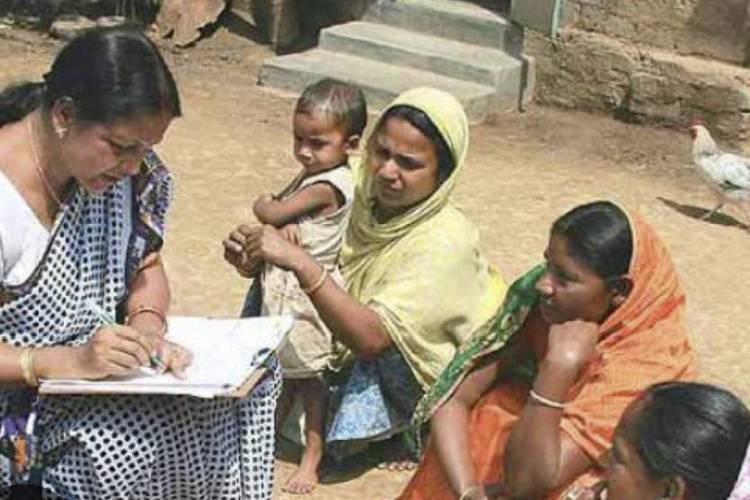
Stand-Up India must track what happens after the loan: The Union Cabinet on November 11 extended Stand-Up India until March 31, 2031, aiming to reach at least 2.5 lakh more entrepreneurs. It also approved a ₹4,111 crore credit guarantee corpus. The decision gives women and entrepreneurs from Scheduled Castes and Scheduled Tribes another five years of access to a scheme designed around a simple fact. The ability to take the risk of starting a business depends in part on the assets and opportunities a person already has. The next five years should tell us how far a bank loan can change that starting position, and how many borrowers go on to build businesses that can support them.
What the loan figures tell us
Launched in April 2016, Stand-Up India finances new businesses in manufacturing, services, trading and activities allied to agriculture. Under the extended scheme, banks can lend more than ₹10 lakh and up to ₹1 crore, covering up to 85% of the project cost. Borrowers can take a term loan or combine it with working capital in a single loan.
READ | Bulk drug manufacturing scheme must look beyond new plants
By March 31, 2025, banks had sanctioned about ₹62,790 crore across 2,75,291 accounts. The finance ministry reported that about ₹40,851 crore had been disbursed by October 31 that year. The gap between the two amounts deserves a closer look. The totals do not show how much was released in stages, how many borrowers received only part of the approved amount or how many never drew on their loans. They tell us even less about how many businesses got off the ground.
There is also a gap at the other end of the process. In a parliamentary reply in 2024, the government said it did not centrally maintain the number of applications banks had received under the scheme. Publishing application counts, rejection reasons and processing times would help show where prospective borrowers drop out. A rise in sanctions can coexist with long waits or a high rejection rate. Without application data, it is hard to tell where either problem is concentrated.
What the credit guarantee can change
Scheduled commercial banks extend the loans and decide whether a proposed business can generate enough cash to repay them. The guarantee reduces the lender’s exposure by covering 85% of the loan amount, with a standard guarantee fee of 0.5%. Banks still have to judge whether the business is viable. That is a reasonable obligation. The question is whether a first-time borrower with a credible plan can obtain credit when there is little property or business history to support the application.
READ | Container manufacturing needs more than a ₹10,000 crore scheme
For many women, limited control over property, restrictions on mobility and unpaid work at home can affect both access to finance and the time available to run a business. The scheme’s minimum loan size and focus on new ventures also define whom it can help. A woman who already runs a home-based business and needs a few lakh rupees to buy stock or fill a larger order has a different financing need from someone setting up a new enterprise. The extension leaves that distinction in place.
The first five years in business
Once a business opens, finding customers and getting paid on time can be as important as securing the loan. A small supplier can have a full order book and still struggle to pay wages or buy materials if a large customer delays settling an invoice. The government’s MSME Samadhaan mechanism gives eligible micro and small enterprises a route to pursue overdue payments. In the meantime, the business must find the cash to keep operating and meet its loan instalments.
READ | Poor data quality can undermine welfare schemes
The next phase should ask banks to follow businesses beyond the first disbursement. A conversation when cash flow first comes under strain can help distinguish a temporary payment delay from a business that is struggling to find customers. In viable cases, timely advice or restructuring may give the owner room to recover. The finance ministry could also publish outcomes for successive groups of borrowers so that a firm in its first year is assessed separately from one that has had five years to establish itself.
The government has set a target for how many entrepreneurs it wants to finance by 2031. It should keep counting after the money goes out. Five years after a loan is first drawn, the figures worth publishing are how many firms are still trading, whether their owners earn a steady income and how many have been able to hire someone else.