





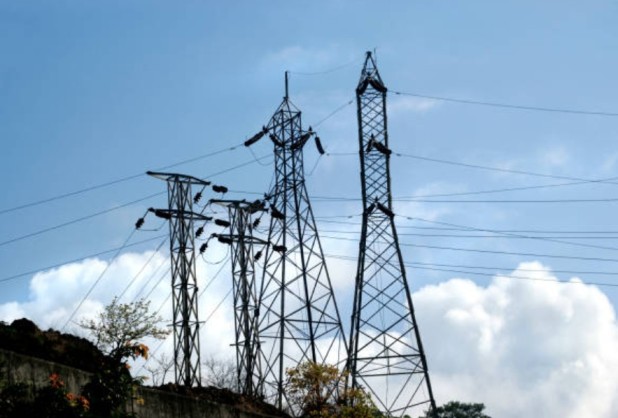
Energy access needs more than electrification: India’s electrification drive is widely cited as a development milestone. Programmes such as Saubhagya and the Deen Dayal Upadhyaya Gram Jyoti Yojana expanded household connections at scale. On paper, near-universal access has been achieved. In practice, the outcome is thinner. A connection is not the same as usable energy.
The problem begins with how electrification is defined. A village is counted as electrified if a fraction of households- historically as low as 10%- have a connection. That metric enabled the declaration of universal village electrification in 2018. It did not ensure that most households received reliable supply. The distinction matters. A pole and a wire do not guarantee light, nor do they power livelihoods.
READ | India’s electricity tariffs hide the true cost of power
This gap between connection and consumption sits at the heart of energy poverty. Households may be connected to the grid and still lack the means to use electricity meaningfully. The Multidimensional Poverty Index captures this overlap by treating the absence of clean cooking fuel and basic electrical assets as markers of deprivation. Millions remain wired but excluded.
India’s installed generation capacity now exceeds 500 gigawatts. The constraint is not aggregate supply. It is the translation of capacity into dependable, affordable service at the point of use. As incomes rise and urbanisation accelerates, residential demand will increase. But demand growth does not convert into welfare gains if households cannot afford appliances or face erratic supply.
Reliability, not just reach
Quality of supply is uneven. Voltage fluctuations and frequent outages remain common in parts of rural India and small towns. For micro-enterprises, this is not an inconvenience. It is a cost. Equipment fails. Production is interrupted. Backup through diesel generators raises costs and adds local pollution.
Distribution losses compound the problem. In several states, aggregate technical and commercial losses remain elevated, reflecting theft, weak billing, and ageing infrastructure. Where losses are high, utilities recover less revenue. The consequence is predictable: underinvestment in networks, delayed maintenance, and poor service quality. Reliability suffers where it is needed most.
A grid-only view also misses the role of decentralised energy. Mini-grids, solar home systems, community solar, and renewable-energy-based livelihood applications can serve areas where centralised supply is weak, costly, or unreliable. The Ministry of New and Renewable Energy issued a framework in 2022 to promote decentralised renewable energy for livelihoods in rural and remote areas. These systems are useful not merely as backup power, but for productive uses such as water pumps, grain milling, cold storage, looms, and small rural enterprises.
READ | India eyes 24×7 electricity, but rural reality, fuel choices cast shadows
Evidence from CEEW also shows that decentralised renewable energy technologies can raise productivity, incomes, and women’s participation in small businesses. The point is not to replace the grid. It is to build a hybrid access model in which decentralised systems complement DISCOM supply and make energy access more reliable at the last mile.
The affordability factor
Even when electricity is available, it is not always usable. Appliances require upfront investment. Energy-efficient devices, which reduce running costs, are often unaffordable for low-income households. The result is low consumption despite access. Electrification without affordability creates a shallow form of inclusion.
The same pattern is visible in cooking energy. The Pradhan Mantri Ujjwala Yojana expanded LPG connections to millions of households. Ownership increased. Sustained use did not. Refill costs and irregular incomes push households back to firewood and biomass. This practice—fuel stacking—undercuts both health and environmental gains. Indoor air pollution remains a persistent risk, with well-established links to respiratory and cardiovascular disease.
Tariffs, subsidies, and weak utilities
The deeper constraint lies in the political economy of power. India’s tariff structure relies on cross-subsidies: industrial and commercial consumers pay more to keep tariffs low for households and agriculture. This has two effects. It raises input costs for industry, and it weakens the finances of distribution companies when tariffs and subsidies do not cover costs.
Financially stressed utilities invest less in network quality. Payment delays ripple through the system. Service deteriorates. The burden falls disproportionately on rural areas and low-income settlements, where outages and voltage instability are more frequent.
Schemes to improve distribution performance have narrowed losses and reduced the gap between the cost of supply and revenue realised. The direction is correct. The structure remains fragile. State-level tariff decisions, delayed subsidy payments, and uneven operational capacity continue to shape outcomes.
Rethinking the subsidy design
Subsidies are necessary. Their design is not neutral. Blanket or poorly targeted subsidies weaken incentives and strain utility finances. They can also blunt the case for investing in alternatives such as rooftop solar where grid power appears cheap at the margin.
A shift towards direct benefit transfers for electricity would change incentives without withdrawing support. Transferring the subsidy directly to the consumer exposes the true price of power while protecting household budgets. It also improves transparency and reduces leakages. The transition is complex, but the direction is clear: support the consumer, not the inefficiency.
READ | Cheap electricity central to India’s clean cooking transition
Beyond binary metrics
India’s energy story needs a change in emphasis. The focus has been on connections and capacity. The next phase must focus on quality, affordability, and sustained use. Energy access should be measured by outcomes: hours of reliable supply, ability to run appliances, clean cooking adoption, and the cost of service relative to income.
True access is visible in use. A rural clinic that can store vaccines through a heatwave. A small enterprise that can operate machinery without interruption. A household that cooks without smoke. These are not abstractions. They are the metrics that matter.
Electrification was a necessary step. It is not the end of the journey. Energy access, in the full sense, requires fixing distribution, pricing, and the economics of use. Until then, the promise of universal electrification will remain only partially fulfilled.
Anusreeta Dutta is a columnist and climate researcher with experience in political analysis, ESG research, and energy policy. Dr Zahid Sultan is a Kashmir based independent researcher.