





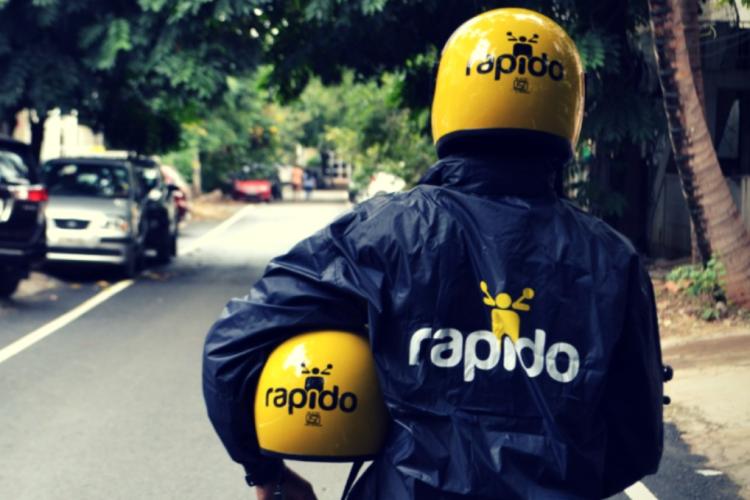
India’s argument over bike taxis has moved beyond whether commuters will use them. In cities where buses and metro systems fail to provide last-mile connectivity, motorcycles booked through apps offer a cheap way to cover short distances. They also help youngsters earn additional income without investing in expensive commercial vehicles.
A recent study by CUTS International puts bike taxi fares at roughly ₹8-10 a kilometre, compared with ₹15-18 for autorickshaws and ₹22-25 for regular taxis. The industry could support 5.4 million livelihoods by 2030, finds a KPMG study. About half the drivers surveyed by KPMG said bike taxi work is a secondary occupation. These numbers explain why restrictions have proved difficult to sustain.
READ | Road safety: India’s cities are failing pedestrians and riders
Bike taxi regulation differs sharply across states
The Centre has provided states with a legal route for regulating the business. The Motor Vehicles Act allows motorcycles to be treated as transport vehicles and contract carriages. The Motor Vehicle Aggregator Guidelines, 2025 permit states to allow aggregators to use non-transport motorcycles for passenger journeys. States can also levy authorisation fees for specified periods.
Implementation has produced very different outcomes.
In Karnataka, the High Court directed transport authorities to consider applications for registering motorcycles as transport vehicles and granting contract-carriage permits. The state challenged the ruling in the Supreme Court and has opposed bike taxis on grounds that include road safety and insurance.
Maharashtra has changed course several times before moving towards regulated operations. It announced in July that app-based bike taxis would be allowed from August 1 through registered aggregators. The state has also considered bringing delivery and quick-commerce workers within parts of the regulatory system, although central law limits how far it can go.
Kerala has faced protests from autorickshaw and taxi unions after bike-taxi services entered Thiruvananthapuram. Delhi permits bike taxis only if they are electric.
A platform can absorb some of the cost of these differences by changing operating plans or moving capital. Riders have fewer options. Someone who owns a motorcycle in Bengaluru cannot readily shift to another state when Karnataka changes its rules. The value of the vehicle as an income-generating asset depends on the policy of the state in which its owner lives.
The differences also complicate operations across India. Vehicle classifications, permits, fees and enforcement vary between states even though the underlying service is much the same. The 2025 central guidelines were supposed to give states a common basis for regulation. They have not yet produced a common minimum standard.
READ | Fixing the gender gap in India’s ride-hailing services
EV mandates raise the entry cost
Delhi’s electric-only rule creates a separate problem for riders who already own petrol motorcycles. A person considering a few hours of platform work may have little reason, or ability, to buy another vehicle simply to qualify.
Commercial use also changes the economics of charging. A private owner can usually arrange charging around other activities. A rider loses potential earnings while the motorcycle is unavailable. Access to charging stations and battery swapping therefore affects the number of trips that can be completed in a working day.
Electric motorcycles will account for a growing share of urban transport as prices fall and charging networks improve. State policy can accelerate that shift without making a new vehicle purchase the price of entry into platform work. The Centre’s aggregator guidelines already allow governments to prescribe progressive fleet targets. CUTS has recommended phased electrification supported by finance and charging facilities.
An immediate ban on petrol motorcycles places much of the cost on riders who bought their vehicles before the regulation was introduced. A phased timetable would allow vehicle replacement to occur closer to the normal purchase cycle.
Gross earnings overstate rider income
Estimates of rider earnings also require care. Fuel, maintenance, insurance, loan repayments and mobile data come out of gross receipts. Time spent waiting for bookings generates no income.
There are other costs that are harder to put into a monthly earnings figure. Riders spend long hours in traffic and bear the consequences of accidents, pollution and heat. A change in platform commissions or incentives can alter earnings immediately. Account suspension can stop them altogether.
Indian law now recognises gig and platform workers more clearly than it did when many state bike-taxi policies were framed. The Code on Social Security, 2020 came into force on November 21, 2025. The Social Security (Central) Rules, 2026 set out registration arrangements for gig and platform workers and mechanisms for aggregator contributions towards social-security schemes. Aggregators have also been required to integrate worker information with e-Shram.
The administrative question is now whether these provisions produce usable benefits for workers. Registration by itself does not pay hospital bills after an accident or replace earnings while a rider recovers.
Other countries have taken different routes. Singapore’s Platform Workers Act provides work-injury compensation and social-security contributions for covered platform workers. Malaysia requires self-employed passenger-transport workers to participate in an employment-injury scheme.
The International Labour Organisation added another reference point in June 2026 when it adopted Convention No. 193 on platform work. The convention addresses social protection, occupational safety, account termination and automated decisions affecting workers.
India can design its own system. The useful principle from these examples is portability. A rider who works on more than one platform, or changes platforms, should not lose whatever protection has already been built up.
Bike taxi permits should reflect how riders work
Many bike-taxi riders do not operate like conventional taxi drivers. They use the platform for part of the day or when other work is unavailable. Requiring every such rider to convert a privately owned motorcycle permanently into a commercial vehicle can impose costs that bear little relation to the amount of commercial use.
The 2025 aggregator guidelines offer states another route. Private motorcycles can be authorised for platform work for defined periods, allowing states to collect fees and enforce conditions without requiring permanent commercial conversion.
CUTS has proposed platform-linked authorisation, supplementary insurance and digital records of commercial use. Periodic vehicle checks can be tied to such permits. The state would retain a record of who is carrying passengers commercially and the rider would retain the option of using an existing motorcycle for occasional platform work.
Safety regulation should follow the risks involved in carrying passengers on two-wheelers. Both rider and passenger need suitable insurance and certified helmets. Vehicle fitness standards should reflect the higher usage of motorcycles used commercially. Platforms can also be required to provide emergency assistance and a workable process for complaints.
Platform practices deserve scrutiny as well. Riders should know the fare charged to the passenger and the amount retained by the platform. Decisions that reduce a rider’s access to work, particularly account suspension, should be open to review. Independent audits can test whether fare-setting and ride-allocation systems comply with the rules laid down for the platform.
Women remain a small part of the bike-taxi workforce. A passenger preference for women riders may help some women use the service or enter platform work. Finance and access to vehicle ownership will determine how far such measures can increase participation.
India does not need identical transport policy in every state. Traffic conditions in Delhi differ from those in Kochi or Jaipur, and states will set their own fares, congestion policies and electrification schedules.
The basic legal conditions for doing the same job should be less variable. A rider should be able to know whether a private motorcycle may carry a passenger for payment, what permit is required, what insurance must be held and what protection applies if an accident occurs.
The Centre has already given states a framework through the Motor Vehicle Aggregator Guidelines. Converting that framework into a common regulatory floor would still leave states considerable room over local transport policy. It would also end a system in which the legality of the same livelihood changes each time a motorcycle crosses a state border.
The author works as a Senior Research Associate at CUTS International.
READ | EVs vs hydrogen vehicles: Can both ride off into the sunset?