






Climate adaptation starts at the local health centre: COP31 ended in Antalya on November 22 after the Turkish presidency launched the Antalya Initiative for Health Resilience. The voluntary initiative gives countries a way to share what they have learnt about preparing health systems for climate shocks. For India, the test will come at district level. Can a primary health centre keep treating patients when a heatwave strains its electricity and water supplies? Can a frontline worker recognise heatstroke and get a patient to hospital in time?
Across India and much of the Global South, extreme heat and flooding add to existing disease burdens and expose gaps in access to care. Climate adaptation should be judged by whether health facilities keep essential services running during extreme weather and whether people most at risk receive timely help.
READ I COP31: Forest finance in the hands of communities
Heat action plans after COP31
India’s National Programme on Climate Change and Human Health provides a framework for national and state action. The National Centre for Disease Control’s 2026 heat advisory calls on states to implement their heat-health plans and prepare health services to treat heat-related illness. The practical challenge is to turn those instructions into routine work for districts, municipalities and health facilities.
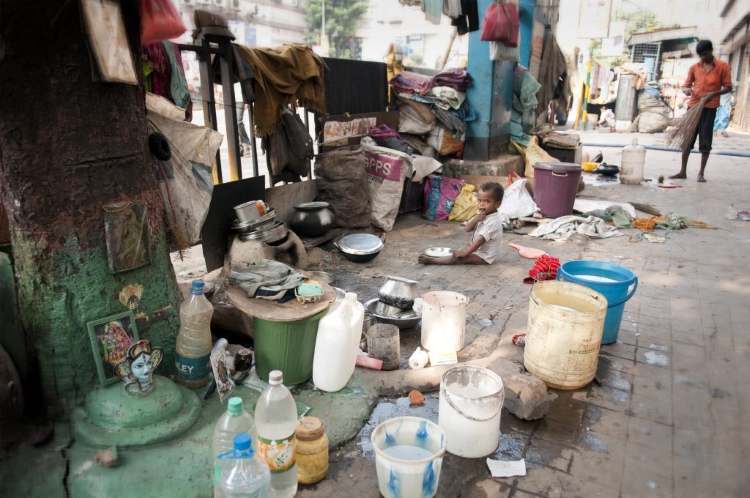
A primary health centre in a heat-prone district may see more patients just as electricity demand peaks and its cooling becomes unreliable. Outdoor workers and older adults may develop symptoms before medical help is available. A heat alert gives the district time to act. The district still needs to know who will contact people at risk, which facilities can treat them and how to get patients there. Flood planning poses a similar problem. A facility may have to manage illnesses linked to contaminated water while roads are cut, medicine deliveries are delayed and patients still need routine care.
READ I CoP31’s next frontier: Climate resilience
Districts need a response behind every warning
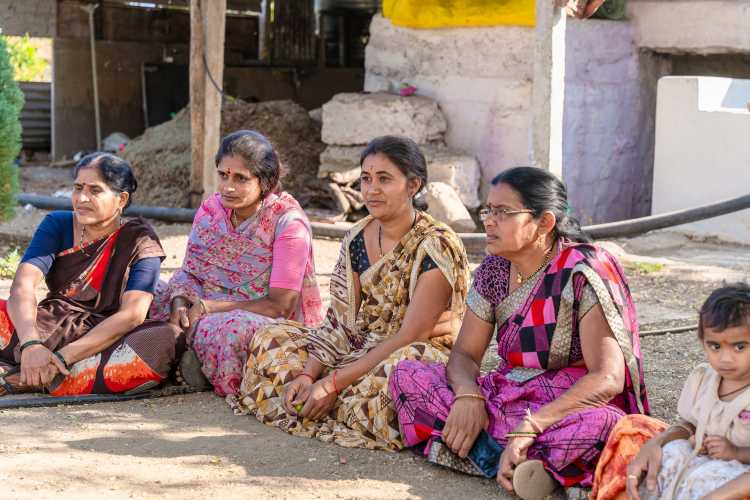
District assessments should bring together local exposure to heat and floods, patterns of illness and access to healthcare. In a crowded neighbourhood, the priority may be people living in homes that remain hot overnight. In a flood-prone district, it may be settlements that lose road access to the nearest clinic. Local residents can help identify who misses official warnings and which routes remain usable during a flood.
Health facilities need dependable electricity, safe water and sufficient stocks of essential medicines. Solar power with battery backup, efficient cooling and better water storage can help keep services running where local conditions warrant the investment. Districts should budget for maintenance and test backup systems under load before the hottest months.
Forecasts should be linked to health surveillance and to a named local team responsible for acting on an alert. Districts can draw on paramedics, community health workers, civil defence volunteers and disaster response personnel. With training and supervision, they can recognise signs of severe heat illness, give immediate assistance within their competence and arrange referral. Regular drills with the receiving facilities can reveal whether transport and communications will hold up. Outreach should reach people who may be unable to act on a general warning, including older adults living alone and workers who cannot readily leave a job site.
READ I Kerala universities need room to govern themselves
Adaptation finance should pay for preparedness
After an emergency, governments have to treat patients, repair buildings and restore services. Adaptation budgets should also cover the work that can limit those costs, from maintaining backup power to training local responders and improving district surveillance. More predictable international climate finance would help developing countries plan these investments over several years. Domestic budgets should cover recurring costs such as equipment maintenance and refresher training.
Corporate social responsibility funds could help pay for responder training, essential equipment or improvements to water and cooling systems. India’s Companies Act recognises preventive healthcare and disaster management as eligible areas for CSR. Projects should follow district priorities, with responsibility for running and maintaining them settled at the outset. A district could track how long clinics lose power or water during an emergency and how quickly patients with severe heat illness reach care.
Housing, working conditions and access to safe water shape who falls ill and who can recover. A clinic can treat a worker with heat exhaustion, but the risk returns if the job offers no shade, drinking water or rest during the hottest hours. The health department can record those cases and identify where they recur. The labour department and employers have the means to change the conditions that send those workers to the clinic.
Dr Pallavi Joshi is Associate Fellow and Suruchi Bhadwal Director at the Energy and Resources Institute (TERI), New Delhi.