



Budget for public infrastructure upkeep: The Union Budget presented on 1 February allocated ₹12.22 lakh crore for central government capital expenditure in 2026–27. As ministries and states prepare their next budgets, they should ask what it will cost to keep the roads, bridges and other public assets financed by successive capital budgets in service. When inspections and repairs are deferred, defects can worsen, services can be interrupted and agencies can face larger rehabilitation bills.
On critical public infrastructure assets, deterioration can also put lives at risk. India needs to make maintenance part of project approval, contracting and annual budgeting. The obligation begins when a project is appraised and lasts throughout the asset’s useful life.
READ I Transport authority must make infrastructure work as a network
Cost maintenance before approving new projects
Every new public infrastructure proposal should estimate what the asset will cost to operate and maintain over its expected life. The appraisal should include routine upkeep, periodic repairs and major rehabilitation, and identify the agency that will pay for them. A project with a lower construction cost can prove more expensive if it needs frequent repairs or early rehabilitation. The Ministry of Finance should require lifecycle estimates in central project appraisals so that these costs are visible when alternatives are compared. This follows the OECD’s approach to managing infrastructure over its useful life.
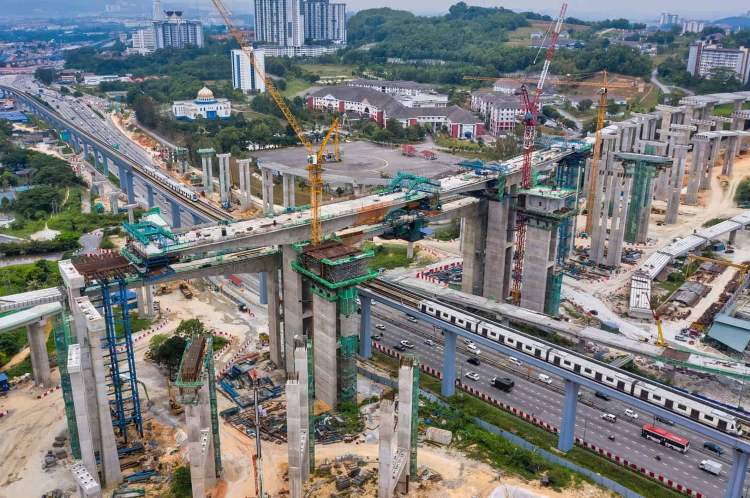

Where the nature of the public infrastructure asset warrants it, the construction contractor should also be responsible for maintenance for a specified period. The contract should distinguish the obligation to fix construction defects from the work required to keep the asset in service. Maintenance payments should depend on meeting measurable standards for condition and service. The World Bank’s model for performance-based road contracts shows how agencies can link payments to service standards while providing separately for emergency works. Public-private partnership agreements should also specify who bears which risks and the condition in which the asset must be handed back.
READ I Climate adaptation funds must reach those who bear the losses
Fund the repairs of public infrastructure
Infrastructure-owning agencies should show maintenance allocations separately in their budgets. A uniform percentage of capital expenditure would tell an agency little about what it needs to spend on an ageing bridge or a heavily used road. Allocations should follow technical assessments of individual assets. An initial survey should identify the repair backlog and give priority to failures that could endanger people or interrupt essential services. Agencies should then update their work programmes and spending estimates annually so that larger repairs can be planned over several years.
The survey should feed a digital asset register that records each major asset’s location, age, usage, condition and maintenance history, along with the agency responsible and the money spent. The register should also record when an inspection is due and what action was taken on defects already reported. Standards should be specific to the asset. For a bridge, that includes structural safety and deadlines for acting on defects. For a drainage network, it may include checks for obstructions before the monsoon.
Inspection schedules for public infrastucture assets should also reflect local exposure to floods, extreme rainfall and heat. A bridge exposed to repeated flooding may need inspection after a severe event as well as on its regular schedule. Where repairs alone will leave the asset exposed to the same risk, the assessment should identify what additional work is needed and what it will cost.
READ I Informal sector rebound led by high self-employment numbers
Make agencies answer for unresolved defects
The authority that owns the asset should remain responsible for its condition. Union ministries should oversee central public infrastructure projects, with independent engineering assessments for critical assets. Joint projects need a clear division of responsibilities between the Centre and the states. State and local agencies can use existing inspection arrangements, and PPP projects should be monitored against concession standards. Where independent scrutiny is thin, districts can draw on engineers and auditors to review the condition of major assets and check whether maintenance funds were used as intended.
Uttar Pradesh’s Jansunwai portal allows citizens to track grievances, send reminders when deadlines pass and give feedback on how complaints were handled. Infrastructure agencies could build on that model by assigning each complaint a tracking number, a responsible officer and a deadline. A report of a damaged culvert should be closed once a repair or other corrective action can be verified. Repeat complaints about the same asset and a sample of closed cases should trigger independent checks.
Once inspection reports, audit findings and complaints can be matched to individual assets, agencies could use AI to flag recurring defects or unusually long delays. Engineers should verify those findings before they affect repair priorities. A busy road may generate many complaints, while a rarely used bridge with a serious defect may generate none. Scheduled inspections remain essential.
The Ministry of Finance can give this approach force through its appraisal and budget instructions. Before approving a new project, it should require the sponsoring ministry to name the agency that will maintain it, set the standards it must meet and show how upkeep will be financed. If those obligations have yet to be settled, the project is still being costed.
The author is Director, EGROW Foundation, a Noida-based think tank.