


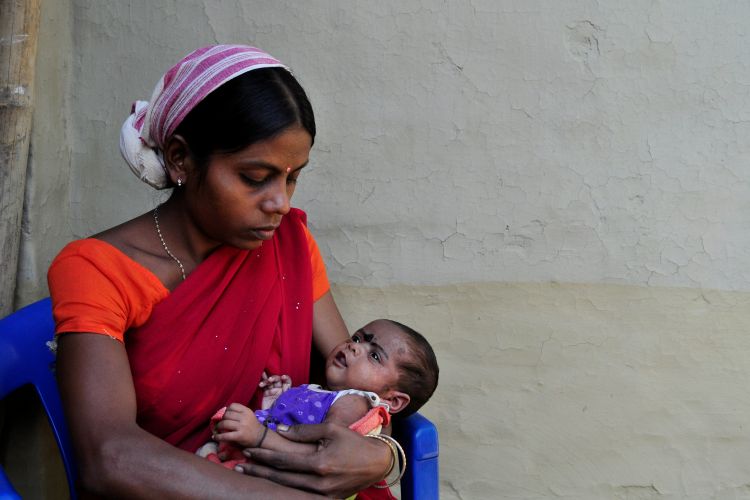
India’s maternal mortality rate fell to 87 deaths per 100,000 live births in 2022-24 from around 300 at the turn of the century. More women now give birth in hospitals and receive antenatal care, following the expansion of the National Health Mission and the introduction of Janani Suraksha Yojana. The UN has set an ambitious target of less than 70 deaths by 2030.
Since May, 19 women have died during or after childbirth in government hospitals in Rajasthan. Nine of the deaths took place over six days in Bhilwara and Banswara in July. Cases were also reported from Kota and Bikaner.
READ | World Diabetes Day: Cure for the silent killer is outside hospitals
The state government ordered several inquiries. Health minister Gajendra Singh Khimsar said investigators had found no common cause. The absence of one cause widens the inquiry. It brings hospital staffing, infection control, medicines, referrals and post-delivery care under examination.
Rajasthan maternal deaths
The medical causes of most maternal deaths are known. Severe bleeding after childbirth can kill within hours. Pre-eclampsia, infection and obstructed labour can also prove fatal. Timely treatment usually prevents these deaths.
India’s maternal health programmes were designed largely to persuade women to deliver in hospitals. Cash payments under Janani Suraksha Yojana and free ambulance services supported that effort. New rural health facilities gave more women somewhere to go. By 2019-21, nearly 89% of births took place in health institutions.
The rise in hospital births was an important achievement. It also became the most convenient measure of progress. Health departments could report how many women had registered for antenatal care, used an ambulance or delivered in a hospital.
None of these figures records the quality of treatment. A birth counts as institutional even if the hospital has no anaesthetist on duty or blood is unavailable. It remains on the record as an institutional delivery if a complication is recognised late.
This distinction runs through the Rajasthan cases. Families have complained of delays in treatment and poor communication. Inquiries in Kota reported lapses in patient monitoring and record-keeping. Infection control has come under scrutiny in other hospitals.
A batch of Tocin supplied to government hospitals in Kota failed a potency test. Tocin contains oxytocin, which is used to control bleeding after childbirth. The Union government later cancelled the manufacturing licences of Jackson Laboratories.
READ | Greedy private hospitals bleed health insurance firms dry
The failed batch raises serious questions about drug testing and government procurement. It does not account for every death reported across Rajasthan. The inquiries must determine how each woman was monitored, when her condition worsened and how the hospital responded.
Hospital births and safe childbirth
Childbirth can change from routine to critical within minutes. A doctor must recognise the complication. An operation theatre may have to be made ready. Blood has to reach the patient before her condition becomes irreversible.
District hospitals do not always have these services available round the clock. A sanctioned post does not mean that a specialist was present during an emergency. A blood bank on the hospital register does not show how long blood took to reach the ward.
Referral is another weak point. A smaller hospital may send a critically ill woman to a medical college or city hospital. The case sheet records the referral, but seldom shows how long transport took or whether the receiving hospital was prepared for the patient. By then, the first hospital may have lost the time in which treatment could have worked.
Assam has dealt with this problem for years. Floods and long distances complicate travel in many districts. Anaemia and early pregnancy increase the medical risk. Specialist care is concentrated in larger towns.
The state’s maternal mortality ratio stood at 167 in 2019-21. It fell to 84 in 2022-24. The fall deserves close study. It suggests that a state once associated with very high maternal mortality has improved access and treatment. Geography, however, continues to shape the care available in individual districts.
The recent Rajasthan cases raise another set of questions. Many of the women had reached government hospitals and received treatment. The inquiries must explain why that treatment did not save them.
READ | Regulated private hospitals, quality public sector can cut out-of-pocket healthcare spending
Maternal mortality rate in Rajasthan
The Union Health Ministry has a programme for reviewing maternal deaths. Each review is meant to reconstruct the treatment given and identify avoidable failures.
These audits usually remain within the health department. Hospitals rarely publish their conclusions. Families may be told that a woman died of haemorrhage, sepsis or organ failure. Such a diagnosis records how she died. It does not say whether the hospital noticed the warning signs or acted in time.
The Rajasthan inquiries should establish who was on duty, whether blood was available and when senior doctors were called. They should examine case sheets, laboratory findings and referral records. The findings can be published without revealing private medical information.
A cluster of deaths calls for scrutiny from outside the hospitals concerned. Doctors from other institutions and public-health specialists should examine the records. Drug regulators will have to deal separately with the failed oxytocin batch and the procurement process that allowed it to reach government hospitals.
Rajasthan has ordered daily monitoring of high-risk pregnancies. Maternal mortality committees have been asked to meet every week. These directions concern future cases. They cannot substitute for an account of the deaths that have already occurred.
Maternal healthcare quality
India can still reduce maternal deaths by finding risks earlier in pregnancy. Anaemia remains common. Malnutrition and adolescent pregnancy expose poorer women to additional complications. Antenatal care must identify women who need specialist treatment before labour begins.
Hospitals will have to report more than the number of deliveries they conduct. State health departments need records of emergency response times and specialist attendance. They should know whether district hospitals can perform emergency caesarean sections at night and arrange blood without delay.
The 19 deaths in Rajasthan now sit with inquiry committees. Their value will depend on what the committees disclose and whether the hospitals change their practices. Another set of confidential reports will tell neither the families nor the public why these women died.
Anusreeta Dutta is a columnist and political ecology researcher with experience as an ESG analyst.