


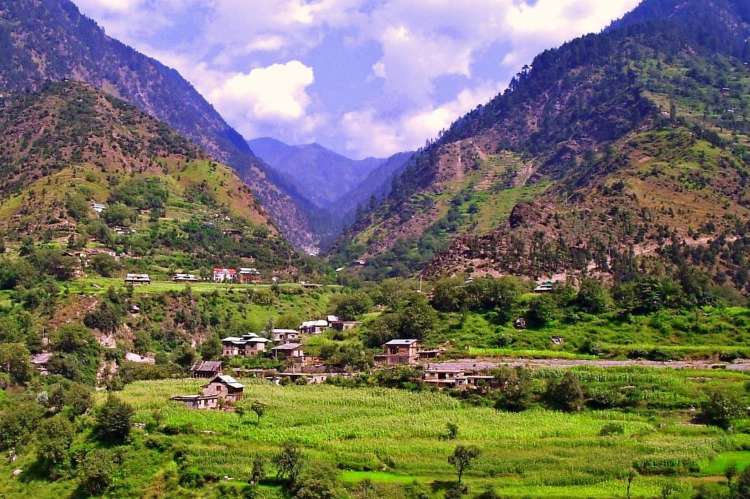
When Keran block in Kupwara secured first place in NITI Aayog’s Delta Rankings, my first reaction was pride. The second was to consider what the result says about administration in Jammu and Kashmir’s remotest areas.
Keran topped the Aspirational Blocks Programme rankings for January–March 2026. Marwah block in Kishtwar came second. Tulail in Bandipora led the hilly, North-East and islands category. These are difficult areas to administer. Their performance deserves attention beyond the ranking itself. NITI Aayog confirmed the results this week.
READ I India’s farm crisis is now showing up on the dinner plate
Keran tops Aspirational Blocks ranking
The Aspirational Blocks Programme covers 513 blocks in 329 districts. NITI Aayog assesses progress through 40 indicators covering health and nutrition, education, agriculture and allied services, basic infrastructure and social development. Keran’s position reflects improvement across several public services rather than the success of one department or scheme. The programme was expanded from 500 to 513 blocks in 2025.
Anyone familiar with Kupwara knows what Keran represents. It is a border area near the Line of Control. Keran, Machil and Karnah can remain cut off from the main Valley for long periods when snow closes the high mountain passes. The working season is short. Movement is difficult. Routine services require advance planning.
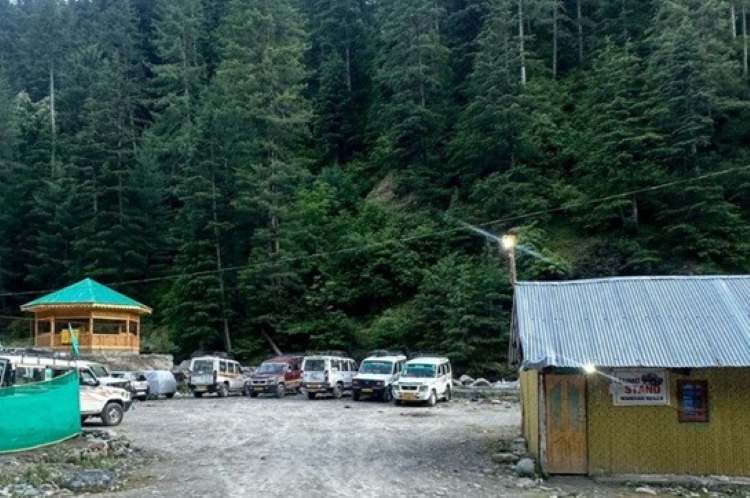

Roads in more accessible blocks remain open for most of the year. Officers can travel regularly, markets function and public institutions are easier to reach. Keran’s administration works against distance, snow and a restricted operating window. A health camp, school programme, agriculture initiative or banking drive cannot be organised there as it would be in an urban block.
My years in rural and tribal development taught me that the last mile is usually the hardest part of the administrative chain. A scheme may be sound, funds available and instructions clear. Its worth is established when it reaches the household farthest from the district headquarters. Keran’s ranking shows that it can.
READ I India needs digital infrastructure for its buildings
Public services in remote border areas
The Aspirational Blocks Programme requires departments to work together, measure progress and compare performance. This is useful because citizens do not encounter government as a set of separate departments. A mother seeking nutrition, healthcare and schooling for her child has little interest in which department controls each service. A farmer may need irrigation, credit, advice and a passable road at the same time.
Keran’s progress would have required coordination among the district administration, block officers, health workers, teachers, agriculture and rural development staff, banks and panchayat representatives. Such results seldom follow from one order. They require regular review and persistent fieldwork.
Residents also have a part in the outcome. Health screening depends on attendance. School enrolment must translate into regular attendance. Bank accounts must be used. Livelihood programmes need participants. Village institutions need candid feedback from the people they serve.
A delta ranking measures improvement during a specified period. It does not mean that Keran’s development problems have been solved. The block still needs better connectivity, healthcare, education, livelihoods, digital services and winter preparedness.
Nor should first place become an administrative finish line. The district administration should identify the interventions that produced the largest gains, the indicators that remain weak and the arrangements that can survive beyond one quarter. The record should be detailed enough for other remote blocks to use.
READ I India’s GDP growth data still face a trust deficit
Governance adapted to Kashmir’s geography
Many parts of Jammu and Kashmir are governed around snow, mountains, migration and seasonal isolation. A uniform model of service delivery will not work in all of them. Supplies may have to be positioned before winter. Health and education services may need mobile or seasonal arrangements. Reviews may need to be more frequent during the limited working season. Digital delivery will depend on reliable electricity and communications.
Keran can provide a useful administrative case study. The questions are practical. Which supplies were moved before winter? How were health and education staff deployed? Which indicators improved most? How did departments coordinate during months of restricted access? Answers to these questions would make the ranking useful elsewhere.
Marwah’s second place reinforces the point. Access has long been one of the block’s main administrative difficulties. When Keran and Marwah occupy the first two national positions, their performance suggests that remote blocks in Jammu and Kashmir have begun to find workable responses to their geography.
The ranking also recognises field administration. Government is delivered in schools, health centres, anganwadi centres, panchayat offices, farms and villages. Teachers who improve attendance, ASHA workers who visit distant homes, agriculture officers who advise farmers, banking correspondents who complete transactions and block officials who pursue delayed targets rarely receive public notice. Keran’s result rests on their work.
However, rankings can encourage officials to chase numbers. An increase in institutional deliveries should mean safer births. Higher attendance should be accompanied by learning. Financial inclusion should allow families to save, borrow and make payments. A completed infrastructure target should reduce an identifiable hardship.
Keran has recorded the country’s largest measured improvement for the quarter. The administration must now show that the gains have survived the ranking cycle and are visible in public services through the year.
Dr Abdul Khabir is a member of the Jammu and Kashmir Administrative Service.