


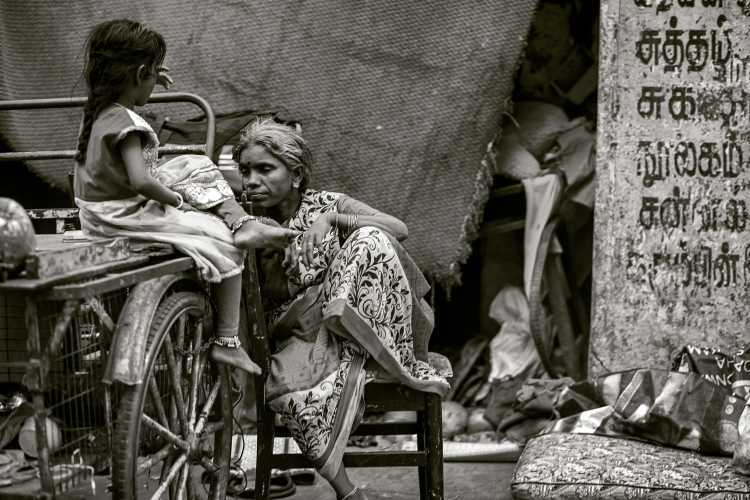
India’s fight against malnutrition: India has a large young population. That is commonly called a demographic dividend, though there is no dividend merely in numbers. NFHS-5 found that 35.5% of children under five were stunted, 19.3% were wasted and 67.1% of children aged six to 59 months were anaemic. Many of them will carry the effects of poor nutrition into their working age.
A malnourished child is likely to fall behind in school, earn less as an adult and suffer poor health. The economic loss starts long before the child enters the labour market. India may have more workers than dependents, but too many workers could be less healthy and less productive than the familiar demographic projections assume.
READ | Malnutrition policy must move beyond hunger
India has reduced child mortality rate and expanded access to healthcare, but its nutrition record is nothing to write home about. Stunting fell from 38.4% in NFHS-4 to 35.5% in NFHS-5, but anaemia among children rose from 58.6% to 67.1%. Government figures may hide sharp differences between states and districts. AI cannot feed an undernourished child, but it may help officials find that child sooner.
AI and child nutrition data
Governments have usually measured malnutrition through periodic surveys and administrative reports. By the time a survey identifies a badly affected district, children may have suffered months of inadequate nutrition.
India now collects far more frequent data. The Women and Child Development Ministry’s Poshan Tracker, introduced in March 2021, records growth measurements and nutrition services delivered through anganwadi centres. It is designed to identify stunting, wasting and underweight children and monitor service delivery in near real time. The platform is available in 24 languages.
Machine-learning tools could use these records alongside immunisation, rainfall, crop production and household data to flag villages where nutrition indicators are deteriorating. District officials could then check whether supplementary food has arrived, whether children have been weighed correctly and whether severe cases have been referred to a nutrition rehabilitation centre.
This use of AI is modest but useful. It can help decide where an anganwadi supervisor should visit first. It can identify unusual changes in weight records or repeated gaps in food distribution. It can also show which children have missed vaccinations or growth monitoring.
READ | Floods, diarrhoea and India’s child malnutrition crisis
Use of AI in child healthcare
Frontline workers already carry much of the burden of maternal and child health programmes. An algorithm cannot examine a child, counsel a mother or deliver a meal. It can reduce the time an anganwadi worker or auxiliary nurse spends searching registers and help identify cases requiring attention.
The Poshan Tracker has added vaccination records, antenatal details and checks intended to reduce errors in height and weight entries. Its value will depend on whether workers have functioning devices, reliable internet access, accurate weighing equipment and enough time to enter data. The ministry’s own updates show how much administrative work sits behind the digital platform.
AI could also support developmental screening and referral. A child whose growth has stalled for several months should be brought to the attention of a health worker. Such a system would assist triage; the diagnosis and treatment would remain with trained professionals.
Bad data will produce bad nutrition policy
Nutrition records are difficult to collect. Children miss anganwadi visits. Machines are badly calibrated. Workers enter measurements late or copy earlier figures. Families migrate. In some places, staff vacancies leave centres unable to perform basic tasks.
AI trained on such records may give confident answers based on faulty data. Errors may also be concentrated among tribal families, migrant workers and settlements with weak digital access. These are often the groups most likely to need public nutrition services.
READ | Policy failures deepen India’s malnutrition crisis
The government should therefore test any predictive system district by district and publish its error rates. Officials must know why a household has been flagged. Families should be able to correct inaccurate records. Health and nutrition data require strict limits on access and use, particularly when the records concern children.
Child health and India’s workforce
A better-fed child is more likely to stay in school and learn. That connection gives nutrition spending an economic return, though the return takes years to appear. India’s 2047 ambitions will be judged partly by the health of children born today.
AI can help the Women and Child Development Ministry find failures sooner. It cannot compensate for missing anganwadi workers, poor meals, broken weighing machines or health centres without doctors. Those remain questions of administration and public spending. A prediction is useful only when a district official can act on it.
Dr Indu Verma and Dr Isha Sharma are Assistant Professors in Economics at Christ University, Delhi NCR Campus.
READ | Poshan Abhiyaan fails to tackle India’s malnutrition crisis