


India inflation breach: India’s run of benign inflation ended last month. Retail inflation rose from 3.93% in May to 4.38%, crossing the Reserve Bank of India’s 4% target for the first time in 17 months. The rate remains within the RBI’s tolerance band of 2-6%, but the composition of the increase gives little comfort. Food inflation reached 5.32%, while rural inflation, at 4.74%, exceeded the urban rate of 3.92%.
June was the first full month after state-owned oil companies began raising petrol and diesel prices in mid-May. Four increases followed during the month as Indian Oil Corporation, Bharat Petroleum and Hindustan Petroleum tried to recover losses caused by the surge in crude oil prices.
READ | RBI MPC meeting faces growth-inflation trade-off
The pass-through is visible in the CPI data. Transport inflation was 4.31%. Within that category, the cost of operating personal transport rose 7.35%, while goods transport services recorded inflation of 7.70%. Inflation in food and beverage serving services reached 6.94%. These figures indicate that higher pump prices have begun to enter freight charges and restaurant bills.
The increase is still concentrated. It does not show the broad demand pressure that would require an immediate monetary response. But fuel costs can persist after the initial price increase because transport charges enter the prices of goods and services.
Food prices keep India inflation under pressure
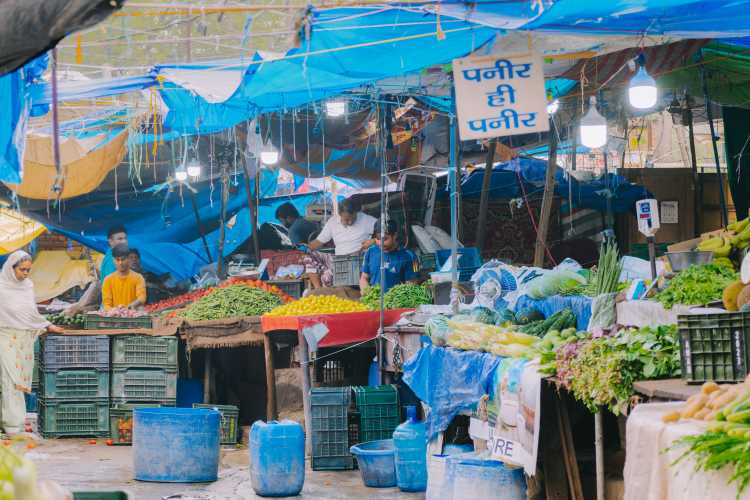
Food inflation rose to 5.32%, crossing 5% for the first time under the CPI series introduced in January. Ginger prices were 50.41% higher than a year earlier and tomatoes cost 31.92% more. The rise was uneven. Potato prices fell 20.34%, while peas were 9.67% cheaper.
This concentration does not reduce the burden on poorer households. Food has a larger weight in rural consumption, which helps explain why rural inflation was almost one percentage point above urban inflation. A sharp increase in a few vegetables can disrupt household budgets even when several other food items remain stable.
READ | New CPI series: Inflation may look steadier after rebasing
India inflation now turns on the monsoon
India received 39.8% less rainfall than normal in June, making it the fifth-driest June since records began in 1901. Rainfall improved in early July and reduced the cumulative deficit to 15% by July 8. The shortfall subsequently widened to about 18%, with large differences across regions.
The timing is poor. June and July cover much of the sowing window for kharif crops. Delayed rain can reduce acreage or yields in unirrigated regions. Vegetables respond faster to changes in rainfall and transport conditions. Traders need not wait for a confirmed crop shortage before raising prices.
Heatwaves, unseasonal rain and erratic monsoons have repeatedly disrupted food supplies. The Union and state governments usually respond with stock releases, trade restrictions or temporary imports. Such measures may contain an immediate increase. They do little to reduce dependence on rainfall.
Irrigation coverage, cold storage and faster movement of produce from surplus states would lower that dependence. These require sustained public investment rather than a response assembled after prices have risen.
RBI can wait, but pause is less comfortable
The June figure alone does not justify an interest-rate increase. Higher rates cannot improve rainfall, raise vegetable output or reduce freight charges. They can restrain consumption and investment, neither of which appears to be the main source of the present increase.
READ | CPI overhaul could deepen gap between inflation data and reality
Several economists expect the Monetary Policy Committee to leave the repo rate unchanged in August. Others now see the possibility of an increase as inflation moves above target. A pause remains plausible, but it is less assured than it was before the June data.
Oil provides some relief, though prices remain unstable. India’s crude basket averaged more than $114 a barrel in April and stood at $76.28 on July 13. Brent crude then rose above $87 after renewed tension in West Asia. The fall from the April peak limits the immediate imported shock. Another disruption could remove that relief.
The RBI can wait for firmer evidence on the monsoon and the spread of fuel costs. A better kharif harvest would ease food prices later in the financial year. A poor harvest would carry higher inflation into the festive months.
India inflation needs supply action
The Centre and states have more direct instruments against the current increase than the RBI. Food must move faster from surplus regions to deficit markets. Storage shortages, state-level restrictions and weak transport links can turn a local shortage into a wider price rise.
Fuel taxation also warrants attention. Petrol and diesel remain outside the goods and services tax. The Centre collects excise duty, while states impose value-added tax. Temporary cuts would reduce the pass-through from pump prices, though they would also reduce government revenue.
June’s 4.38% inflation rate is not a crisis. It is within the RBI’s tolerance band and well below the peaks of earlier inflation episodes. But it ended a 17-month period below the central bank’s target. The monsoon and crude oil prices will determine whether June was a brief breach or the start of a longer rise.