


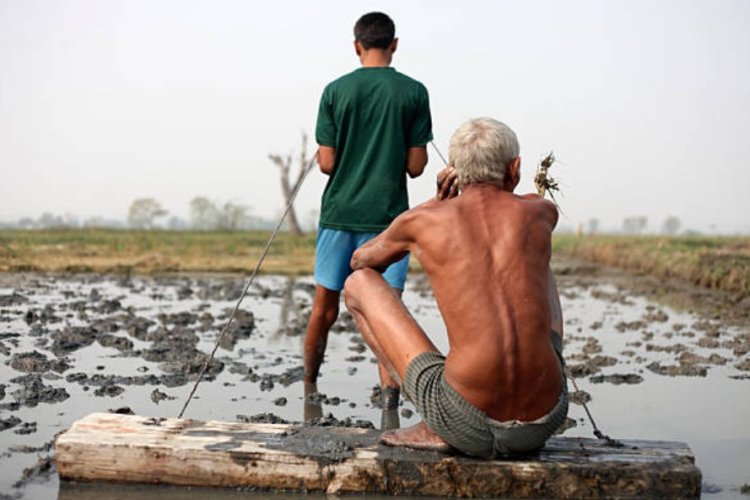
India below-normal monsoon 2026: Every year, farmers wait for the monsoon. Some years, it matters more than others. This may be one of those years. The India Meteorological Department has forecast the 2026 southwest monsoon at 92% of the long period average, classifying it as below normal. That makes this the first such early forecast in three years. The forecast also carries a model error of ±5 percentage points.
By itself, that number need not signal distress. India has lived through similar forecasts without major disruption. But the monsoon is arriving at a delicate moment for the economy. The IMD’s mid-April forecast is meant to help governments and markets prepare for agriculture, water and energy demand. This year, it also serves as an early warning for growth and inflation management.
READ | RBI rate pause signals hard trade-offs for Indian economy
El Niño and rainfall distribution
The immediate concern is the development of El Niño conditions during the monsoon months. El Niño has historically been associated with weaker monsoons in India. The Indian Ocean Dipole, expected to turn positive later in the season, may offset some of that effect. But such interactions make precise forecasting difficult. At present, weak La Niña-like conditions are transitioning to ENSO-neutral conditions, while IMD’s Monsoon Mission Climate Forecast System suggests El Niño could develop during the southwest monsoon season.
What matters, however, is not only the aggregate rainfall number. Distribution matters as much. Even a below-normal monsoon can support farm output if rainfall is spread reasonably across regions and over time. Erratic rainfall is more damaging: long dry spells followed by intense downpours can hurt sowing, reduce yields and disrupt crop planning.
The all-India number can also conceal sharper regional stress. IMD’s probability maps suggest below-normal seasonal rainfall is likely over many parts of the country, with normal to above-normal rainfall more likely only in some areas of the Northeast, Northwest and the south peninsula. That matters because the economic effect of a weak monsoon depends not on the national average alone, but on which crop belts underperform.
That is especially true for pulses and oilseeds, much of which are grown in rain-fed areas. For these crops, timing is critical. A delayed or uneven monsoon can do more damage than a modest shortfall in total rainfall. The IMD will update its forecast in the last week of May, including the expected onset date. It has also indicated that El Niño’s effects are likely to become more visible in the second half of the season, especially in August and September.
READ | Real economy, hidden behind the numbers
Rural demand and farm incomes
The monsoon remains central to the Indian economy. It brings more than 70% of annual rainfall and still influences nearly half of gross cropped area. Irrigation has expanded, but not enough to reduce dependence on rainfall to the margins. With irrigation coverage at about 55%, a large part of Indian agriculture remains rain-fed.
That makes rainfall a question of income stability for millions of rural households. It also makes the monsoon a demand story, not just an agricultural one. It is also a water story. A weak monsoon affects reservoir replenishment, drinking water availability, groundwater recharge and hydropower generation. The CWC’s reservoir monitoring already shows how closely storage is tracked before the summer peak. A poor monsoon would therefore feed into agriculture through more than one channel.
India’s growth has held up, but unevenly. Urban demand has been stronger than rural consumption. A below-normal monsoon could interrupt a rural recovery that is still tentative. Lower farm incomes would quickly show up in demand for fast-moving consumer goods, consumer durables and entry-level vehicles.
READ | Indian economy’s growth challenge is jobs, skills and state capacity
Food inflation and policy constraints
The next risk is inflation. Pulses and edible oils are especially vulnerable because they are essential consumption items and prone to supply shortages. If weak rainfall affects output, the demand-supply gap will widen. Higher imports may soften shortages, but they also carry a price cost.
Food inflation has an outsized role in India’s inflation dynamics. It shapes household expectations, influences wage demands and narrows monetary policy room. The Reserve Bank of India has repeatedly flagged food price volatility as a key risk to the inflation outlook. A monsoon-driven rise in food prices could make it harder for the RBI to support growth through rate cuts at a time when investment remains subdued. That would sharpen an already difficult trade-off between growth support and inflation control.
A more resilient farm economy, but limited room for error
This is not a counsel of despair. Indian agriculture is more resilient than before. Irrigation has improved. Seed quality is better. Credit access is wider. Policy responses are faster. Short-duration crop varieties, contingency crop plans and real-time advisories can reduce some of the damage from uneven rainfall. But resilience is not immunity.
The monsoon’s economic role now goes well beyond agricultural output. It shapes inflation, rural demand, fiscal pressures and the external balance. It also leaves a carryover effect into the rabi season through soil moisture, reservoir recharge and groundwater conditions. Since the southwest monsoon remains the main source of annual groundwater replenishment in India, a weak season can tighten water availability beyond kharif.
A below-normal monsoon need not produce a crisis. But it does narrow the margin for policy error. For now, policymakers can only hope that rainfall is well distributed. They should also prepare for a more volatile season.