


Hantavirus is not a new pathogen. Nor is it a likely candidate for the next pandemic. Yet it deserves closer attention because it sits at the intersection of three weaknesses in public health: poor rodent surveillance, weak early diagnosis, and fragmented response systems for zoonotic infections.
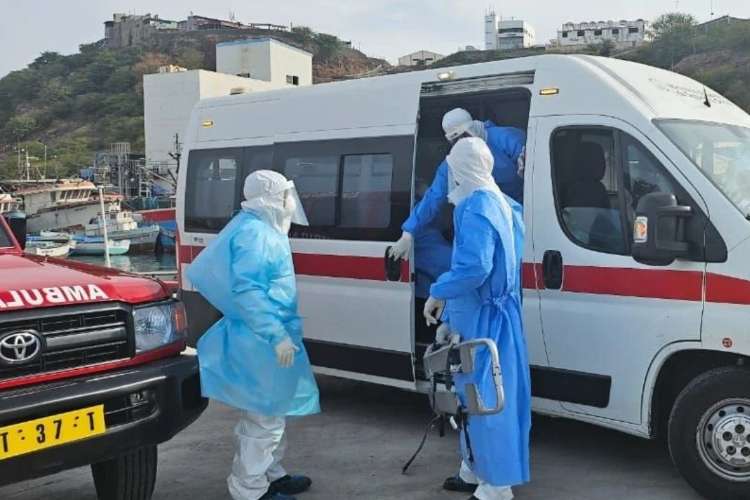
The recent concern around cruise-linked hantavirus infections has shown why rare diseases can still test global health systems. Cruise ships are closed, mobile environments. They bring together older passengers, shared cabins, common dining spaces, medical constraints, and multiple jurisdictions. A pathogen that would normally remain geographically contained can suddenly become a diplomatic, clinical, and logistical problem.
The issue is not panic. It is preparedness.
READ I Medical titles debate raises public health concerns
Hantavirus risk begins with rodents
Hantaviruses are zoonotic viruses maintained in rodent reservoirs. Humans are usually infected when they inhale aerosolised particles from the urine, droppings, or saliva of infected rodents. Less commonly, infection may occur through rodent bites or contaminated surfaces. The risk rises during farming, forestry, cleaning of poorly ventilated spaces, and travel or work in rodent-infested environments.
The disease does not present in one uniform way. In the Americas, hantaviruses can cause hantavirus pulmonary syndrome, a severe illness affecting the lungs and heart. In Europe and Asia, related infections more commonly cause haemorrhagic fever with renal syndrome, which affects the kidneys and blood vessels. Severe cases can deteriorate quickly.
The Andes virus is the outlier. It is found in South America and is the only hantavirus known to spread, rarely, from person to person. That transmission has been associated with close and prolonged contact, not casual contact in ordinary public settings.
This distinction matters. Hantavirus is not influenza. It is not Covid-19. But Andes virus forces public health agencies to plan for a limited human-transmission pathway in settings where close contact is unavoidable.
READ I Why textiles should be treated as a public health issue
Andes virus and the diagnostic problem
The early symptoms of hantavirus infection are easy to miss. Fever, fatigue, muscle pain, headache, nausea, vomiting, diarrhoea, and abdominal pain can resemble many common viral illnesses. For Andes virus, symptoms may appear four to 42 days after exposure.
This creates a surveillance problem. Doctors do not usually test for hantavirus unless they suspect exposure to rodents or know the patient has travelled to an endemic area. A disease with non-specific early symptoms and low routine testing will be undercounted.
The same weakness applies to cruise medicine. A ship doctor may see fever and gastrointestinal symptoms as routine travel illness. By the time respiratory deterioration begins, evacuation and intensive care may be needed. That is a difficult clinical pathway at sea.
There is no licensed specific antiviral treatment or vaccine for hantavirus infection. Care is supportive. It depends on early recognition, close monitoring, and management of respiratory, cardiac, or kidney complications. Early access to intensive care improves outcomes, especially in severe pulmonary disease.
This is why the practical public health question is not whether every fever at sea is hantavirus. It is whether ships, ports, and national health agencies have protocols to identify unusual clusters quickly.
READ I Missing sports infrastructure is a public health risk
Cruise-ship biosecurity needs a rethink
Cruise ships are designed for hospitality, not outbreak management. Their operating model depends on shared spaces, social mixing, tight schedules, and rapid movement across borders. Infection control plans have improved since the Covid-19 pandemic, but most shipboard protocols still focus on pathogens such as norovirus, influenza, and Covid-19.
Hantavirus poses a different challenge. The primary prevention route lies upstream, in rodent exposure control before travel or during excursions. For Andes virus, a second layer is needed: rapid identification of close contacts, isolation of symptomatic passengers, risk communication, and medical evacuation where required.
The European Centre for Disease Prevention and Control has noted that closed ship settings require a precautionary approach because passengers and crew share social areas and activities. It has recommended proactive management of symptomatic people, diagnostic testing by PCR or serology, isolation, personal protective equipment, symptom monitoring, and clear communication on what is known and what may change.
That last point is often neglected. In a closed setting, uncertainty spreads faster than the virus. Passengers want reassurance. Port workers want protection. Local residents want transparency. Governments want to avoid overreaction. The correct response is not secrecy or alarmism, but timely communication with specific instructions.
Cruise companies also need stronger pre-boarding and excursion protocols. Travel to endemic zones should trigger health advisories on rodent exposure, safe cleaning practices, symptom reporting, and post-travel monitoring. Expedition tourism cannot treat biosecurity as paperwork.
Public health systems remain reactive
Hantavirus exposes the limits of case-confirmation-led surveillance. By the time a case is confirmed, the exposure may have occurred weeks earlier. Contacts may already have dispersed across countries.
WHO says prevention depends mainly on reducing contact between people and rodents, sealing buildings, storing food safely, using safe cleaning practices, avoiding dry sweeping or vacuuming of rodent droppings, and strengthening hand hygiene. During outbreaks, early identification, isolation, contact monitoring, and infection prevention measures are needed.
These are basic measures. The harder task is sustaining them in places where hantavirus is endemic but politically invisible. Rural communities, low-income settlements, forest-edge populations, agricultural workers, and Indigenous groups often face the highest exposure risks. Their disease burden rarely receives the attention that follows an outbreak linked to international travel.
This is the uncomfortable lesson. A rare infection becomes a global concern when it enters a cruise itinerary. The same infection can remain neglected when it affects poor rural communities year after year.
One Health preparedness is the real answer
Hantavirus is an ecological disease before it is a hospital problem. Rodent populations respond to rainfall, drought, food availability, land-use change, deforestation, farming patterns, and human settlement. Public health systems that watch only hospitals will see the outbreak late.
A One Health approach integrates human, animal, plant, and ecosystem health instead of treating them as separate domains. WHO defines it as an approach that recognises the links between people, animals, plants, and ecosystems, and uses collaboration across sectors to prevent, detect, and respond to health threats. More than 60% of emerging infectious diseases reported globally come from animals.
For hantavirus, this means linking rodent ecology, climate data, land-use planning, housing quality, occupational health, travel medicine, and clinical surveillance. It also means building laboratory capacity before an outbreak, not after samples begin moving across borders.
The investment case is straightforward. WHO cites World Bank estimates that prevention guided by One Health principles would cost about $10.3-11.5 billion a year, modest compared with the cost of pandemics and major health disruptions.
India should read this lesson carefully. The country has dense settlements, expanding infrastructure, large informal workforces, forest-edge communities, weak municipal sanitation in many regions, and rising climate stress. A hantavirus crisis may not be imminent, but the conditions that produce zoonotic spillovers are not remote.
The policy response should not be disease-specific panic. It should be system-specific preparation: rodent surveillance, occupational risk mapping, laboratory readiness, port-health protocols, travel advisories, and clear chains of responsibility between health, environment, agriculture, shipping, and tourism authorities.
Hantavirus is a warning from the margins of public health. It shows that pathogens do not need pandemic potential to expose institutional weakness. They only need ecological opportunity, delayed diagnosis, and a system that reacts after the fact.