


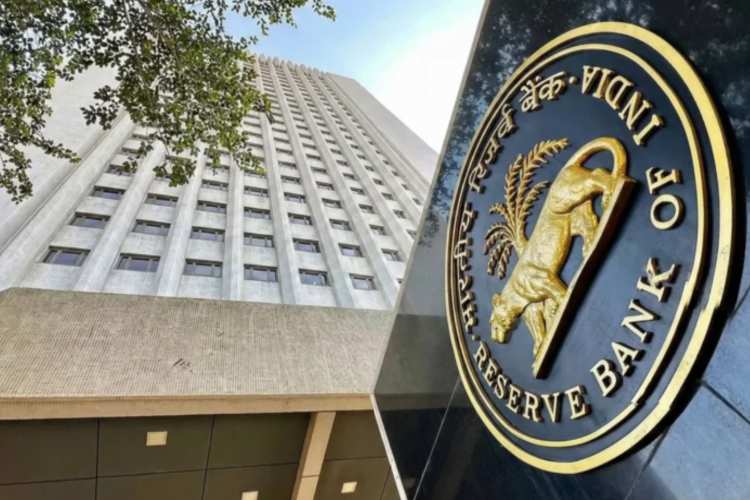
The Reserve Bank of India has proposed tighter disclosure norms on capital adequacy, risk exposure, and liquidity as part of a larger effort to make banks more transparent. The draft Reserve Bank of India (Capital Adequacy) Amendment Directions, 2026, released on May 19, seek closer alignment with Basel Pillar 3 disclosure requirements. The central bank has invited public comments till June 2, 2026.
The move comes after a bruising decade for Indian banking. Lenders have had to deal with bad loans, governance failures, rescue mergers and repeated regulatory interventions. The sector has since recovered. Public sector banks have returned to profit, capital buffers have improved, and gross non-performing asset ratios have fallen sharply.
READ | AT1 bonds return to haunt India’s banking system
That recovery, however, does not remove the need for sharper disclosure. Banks are now larger, more interconnected and more exposed to complex risks. The questions are no longer confined to reported bad loans. They extend to concentration risk, evergreening, off-balance-sheet exposure, group-level contagion and the quality of capital itself.
Basel Pillar 3 and market discipline
The RBI’s draft draws from the Basel framework, developed by the Basel Committee on Banking Supervision after repeated financial crises exposed weaknesses in bank capital, risk reporting and supervisory oversight. Pillar 1 deals with minimum capital requirements. Pillar 2 deals with supervisory review. Pillar 3 uses public disclosure to strengthen market discipline. The Basel Committee says Pillar 3 is meant to promote market discipline through regulatory disclosure requirements covering areas such as credit risk, operational risk, leverage, risk-weighted assets and key prudential metrics.
The logic is simple. Investors, analysts, depositors and counterparties cannot price risk if they cannot see it. Disclosure does not replace supervision. It gives markets a clearer view of whether a bank has enough capital to absorb losses, whether leverage is rising, and whether liquidity risks are being concealed by headline profitability.
This is why comparability matters. If every bank discloses risk in a different format, the disclosure becomes less useful. The RBI’s attempt to standardise templates and require clearer reporting of capital, leverage, liquidity and risk exposure is meant to reduce that problem.
Consolidated disclosures for banking groups
One important feature of the proposal is the application of Pillar 3 disclosures at the top consolidated level of banking groups. This matters in India. Large financial groups now operate across banks, insurance, mutual funds, non-bank finance, housing finance, payments and fintech partnerships. Risk does not always remain in the entity where it first appears.
Standalone disclosure by the bank can therefore give an incomplete picture. A banking group may look well capitalised in one entity while risk builds elsewhere. Consolidated disclosure is meant to show whether capital and liquidity are adequate at the level where contagion can actually spread.
READ | Banking reforms must go beyond Viksit Bharat branding
The draft also extends relevant disclosure obligations to unlisted banks that may not otherwise publish the same level of market-facing information. This is a useful correction. Systemic risk is not created only by listed institutions. Large unlisted banks and financial entities can handle substantial liabilities and credit exposure. Their opacity can matter for financial stability.
Board accountability for bank disclosures
The RBI has also proposed that banks maintain a formal disclosure policy approved by their boards. Internal controls will have to govern how disclosures are prepared, verified and published. Senior management and boards will be responsible for disclosure integrity.
The proposal goes further by requiring one or more whole-time directors to attest that Pillar 3 disclosures have been prepared in line with approved internal processes. This is not a mere procedural requirement. It places responsibility on identified senior executives rather than leaving disclosure quality to compliance departments.
That shift is important. Many banking failures begin not with absence of rules but with weak internal challenge, poor board scrutiny and selective reporting of risk. A formal attestation requirement may not prevent concealment, but it raises the cost of casual or negligent disclosure.
The harder task will be execution. Pillar 3 disclosure depends on clean data, consistent definitions, internal reconciliation and credible validation. Large banks may have the systems to generate such information, but smaller banks and unlisted entities may face a steeper compliance burden. The RBI will therefore need to ensure that standardisation does not become a box-ticking exercise. Disclosure will help only if the numbers are comparable, machine-readable, traceable to internal systems and subject to supervisory challenge when they are incomplete or misleading.
READ | RBI’s push for banking transparency and the right to information
Disclosure norms and limits of transparency in banking
The RBI has allowed for exceptional cases where full disclosure may violate legal obligations or reveal proprietary information. In such cases, banks may provide qualitative disclosure instead of granular detail. But they will still have to explain why specific information has not been disclosed. The intent is clear. Confidentiality cannot become a blanket excuse for opacity.
Banks will also have to publish Pillar 3 disclosures along with financial reports for the relevant period. Where no financial report is produced for a period in which disclosure is required, the disclosure must be published as soon as practicable.
The larger question is whether disclosure can discipline banks by itself. The answer is no. The 2008 financial crisis showed that even extensive disclosure does not prevent systemic failure when risks are misunderstood, mispriced or ignored. Investors may lack the incentive to read complex disclosures. Depositors may lack the ability to interpret them. Markets can also underprice risk for long periods and then overreact suddenly.
Transparency is not a substitute for supervision, governance or capital strength. But it is a necessary part of all three. The RBI’s proposal is best read in that spirit. Indian banking has repaired much of the visible damage from the last bad-loan cycle. The next test will be whether risks are identified before they become visible on balance sheets.