


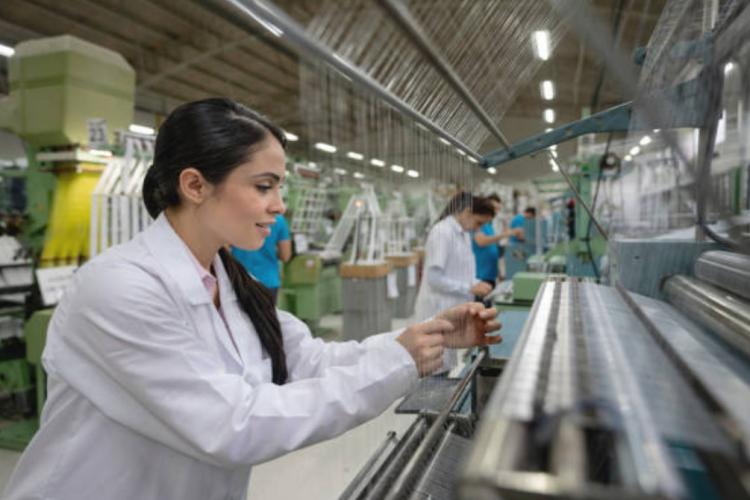
The public health impact of textiles remains underexplored. The reasons are familiar: weak data, limited industry transparency, fragmented regulation, and a public health discourse that still pays more attention to infectious disease than to chronic chemical exposure. The result is a large blind spot. Textile production and consumption affect health across the life cycle, from factory floors and polluted communities to consumers who wear chemically treated fabrics every day.
This is no niche concern. Textiles expose workers to respiratory disease, skin disorders, musculoskeletal stress and mental distress. They release toxic effluents and microfibres into air and water. They leave chemical residues in consumer goods. Yet textiles are still not treated as a public health category in the way food, tobacco or air pollution are. That omission needs correction. Public health warnings on textiles deserve serious consideration.
READ | Missing sports infrastructure is a public health risk
Recent reviews published between 2019 and 2025 point to elevated risks for textile workers, including byssinosis, chronic bronchitis, dermatitis, repetitive-strain injuries and mental health problems. Textile chemicals such as azo dyes, PFAS, phthalates and heavy metals are associated with carcinogenicity, endocrine disruption and developmental harm. Synthetic textiles also shed microplastic fibres that now contaminate air, water and food, with emerging evidence linking them to inflammation and genetic damage.
The case for intervention is therefore broader than consumer safety. It includes occupational health enforcement, chemical regulation, waste management, corporate accountability and environmental justice. A credible response would combine stricter standards, biomonitoring, safer material innovation, extended producer responsibility and better product labelling.
Textile risks run through the supply chain
The burden of harm is unequally distributed. Workers in textile and garment production face some of the sharpest risks. Exposure to cotton dust, solvents, dyes and finishing chemicals is often routine, while protective equipment, workplace monitoring and enforcement remain weak in many low- and middle-income countries. Carbon disulfide exposure in fibre processing has been linked to serious health effects, including cardiovascular harm and reproductive damage.
The communities that live around textile production clusters also pay a price. Dyeing and finishing units release effluents containing heavy metals, azo compounds and other toxic chemicals into water bodies. In poorer regions, weak treatment systems convert private profit into public contamination. The health effects do not stop at the factory gate. They show up in polluted water, respiratory stress, rising disease burdens and higher vulnerability among already disadvantaged populations.
This is why textiles fit the commercial determinants of health framework. The industry externalises risk across the supply chain, shifts pollution costs onto workers and communities, and still offers the consumer little meaningful information about exposure.
Why the evidence gap persists
The research gap is large, but it is not accidental. More than 8,000 chemicals are used across textile production, yet there is no comprehensive public inventory with adequate exposure data. Human biomonitoring remains limited. Epidemiological evidence is stronger for acute occupational harms than for long-term consumer or community exposure. Chronic low-dose mixtures absorbed through skin contact, inhalation or household dust remain poorly measured.
Methodological problems are real, but so are institutional ones. Public health has historically treated fashion and textiles as a secondary issue when compared with food safety, sanitation or air pollution. Industry secrecy compounds the problem. Proprietary chemical formulations reduce transparency, while global supply chains distribute responsibility so widely that accountability weakens at every stage.
Voluntary certification has not closed the gap. It remains marginal in a vast market dominated by low-cost, fast-moving production.
READ | Artemis II opens a new frontier in public health
The limits of voluntary certification
Two certification systems are often cited as evidence of progress: GOTS and OEKO-TEX. Both matter, but neither should be mistaken for regulation.
GOTS covers the supply chain from fibre to finished product and combines environmental and social criteria. It requires substantial organic fibre content and applies standards on chemical inputs, wastewater treatment and labour conditions. OEKO-TEX, by contrast, focuses mainly on end-product testing for harmful substances and classifies products by level of skin contact, with the strictest standards applied to infant products.
The difference is important. GOTS goes deeper into process and supply-chain conditions. OEKO-TEX is stronger on final product screening. But both are voluntary. Neither can substitute for binding public regulation, especially in a sector where cost competition rewards opacity and weak enforcement.
There are also practical limits. Testing and certification raise costs for smaller producers. End-product testing can miss upstream pollution and worker exposure. Consumers often confuse private labels with comprehensive safety assurance. In reality, the label may say something about the final fabric, but far less about the conditions in which it was made.
Health risks do not end with the factory
Consumer exposure is routine, intimate and poorly understood. Clothing sits on the skin for hours. Fabrics release residues through friction, heat and sweat. Synthetic materials can shed microfibres into indoor air. The relevant risks include allergies, dermatitis, endocrine disruption and longer-term toxic exposure.
These risks are not evenly spread. Infants are more vulnerable because of thinner skin, higher surface-area-to-body-weight ratios and hand-to-mouth behaviour. Baby clothes and sleepwear can expose children to phthalates, PFAS and other chemical residues. Pregnant women may face heightened vulnerability to endocrine disruptors and other compounds associated with adverse reproductive outcomes. Older people may be more prone to skin irritation and thermal stress from synthetic fabrics.
The full life-cycle picture matters. The health burden of textiles begins with raw material production, continues through spinning, dyeing, finishing, transport and use, and ends in disposal. Each stage carries distinct risks, and most current policy frameworks treat these risks separately or ignore them altogether.
Synthetic fibres are a public health problem
The expansion of synthetic fibres has widened the problem. Polyester, nylon and acrylic dominate low-cost fashion and home textiles. They are petroleum-based, chemically intensive and prone to microfibre shedding. Washing releases microplastics into waterways. Wearing and indoor use release fibres into dust and air. Disposal through landfill or incineration adds another layer of toxic burden.
Fast fashion intensifies this cycle by compressing product life, encouraging cheap blends and multiplying waste. The public health consequences include worker exposure, consumer exposure, environmental contamination and indirect climate-related harms. A product sold as affordable often carries hidden costs that are merely paid elsewhere.
Cellulose-based regenerated fibres such as rayon and viscose are not a clean alternative by default. They offer some performance benefits, but their production can involve toxic chemicals such as carbon disulfide and caustic soda. Natural fibres are often safer in use, especially for sensitive skin, but they too can carry upstream pesticide and dust-related risks. The issue is not fibre type alone. It is chemical treatment, exposure pathway and the conditions of production.
Medical textiles show regulation is possible
The contrast with medical textiles is instructive. Medical textiles are regulated around performance, sterility, biocompatibility and patient safety. They are classified by application, tested against defined standards and treated as products with direct health implications.
That logic has not extended to mainstream textiles, even though everyday clothing, bedding and upholstery also produce measurable health risks through chemical exposure and fibre shedding. The difference is not scientific. It is regulatory and political. Once a textile enters the consumer market rather than the healthcare system, health oversight largely fades.
READ | National Dental Commission can make oral health part of primary care
Why textiles need public health labelling
There is still no World Health Organisation framework specifically aimed at textile hazards. Nor do ordinary textile labels tell consumers what they most need to know. They provide washing instructions, fibre mix and size, but say nothing about hazardous residues, endocrine disruptors, high-shedding synthetics or cumulative exposure.
That is the regulatory vacuum this debate must address. Textiles should be treated as a public health issue, and labelling is the most immediate place to start.
A public health labelling regime would not solve the entire problem, but it would alter the information environment. It could disclose hazardous chemical classes, identify products intended for high skin contact, flag microplastic shedding risk, and differentiate products intended for infants, pregnant women and other vulnerable groups. It would also force producers to measure what many currently avoid measuring.
Such a system should rely on verifiable metrics, not vague sustainability claims. The relevant parameters would include chemical residues, fibre composition, product class by degree of skin contact, allergen or endocrine-disruptor flags, and microfibre-shedding indicators for synthetics. A health score or QR-linked product passport could support fuller disclosure. Third-party testing could help, but only within a framework mandated by public authorities.
From voluntary claims to binding standards
Textile reform must move beyond greenwashing and private certification. Public policy should aim at binding standards on hazardous chemicals, stronger occupational health enforcement, wastewater compliance, extended producer responsibility and clearer consumer information. That would align textile governance more closely with the way public health already approaches food safety, air pollution and tobacco control.
Textiles are not just consumer goods. They are vectors of occupational risk, environmental contamination and chronic exposure. Their harms fall most heavily on workers, women, children and poorer communities. That is precisely why they belong inside public health policy rather than outside it.
The question is no longer whether textiles affect health. They do. The real question is why regulation still treats that fact as optional. Until it stops doing so, the market will continue to hide risk in plain sight. Public health warning labels on textiles would be one way to make that risk visible.