


The International Day of Sport for Development and Peace, observed on April 6, is a reminder that sport helps build healthier and more inclusive societies. Yet Indian cities continue to neglect sports infrastructure. As urbanisation accelerates, planning has favoured roads, housing, flyovers and commercial real estate. Playgrounds and community sports facilities have been pushed aside. The result is visible in rising lifestyle diseases, lower physical activity and a weak grassroots sporting culture.
Jaipur reflects this imbalance clearly. Over the past two decades, the city has spread through new residential colonies, gated townships and commercial hubs. Many areas have public parks, but these are mostly ornamental spaces for walking or sitting. They are not designed for active play. Most neighbourhoods do not have dedicated grounds where children and young people can play volleyball, tennis, badminton, football or basketball. Open spaces that once served as informal play areas have steadily given way to real estate projects and parking.
READ I National Dental Commission can make oral health part of primary care
Jaipur sports facilities remain too limited
Jaipur has the Sawai Mansingh Stadium and a few sports complexes. That is not enough for a city with more than 40 lakh people. Access is also uneven. Residents in peripheral areas such as Vaishali Nagar Extension or Muhana often have to travel long distances for practice. That makes regular participation costly and inconvenient. A growing metropolitan city cannot rely on a handful of concentrated facilities.
There is, at least, growing recognition that sport is not only recreation. It is also an economic activity. Rajasthan sports minister Rajyavardhan Singh Rathore recently said sport has become an economy, with the potential to generate jobs, tourism and investment. The state government’s proposed Sports University in Amer fits that vision. But such initiatives will have limited effect unless cities build a wider base of neighbourhood sports infrastructure.
READ I Healthcare real estate is driving costs, access, priorities
Playgrounds as public health assets
International research supports the case for accessible recreational infrastructure. The World Health Organisation recommends at least 60 minutes of moderate to vigorous physical activity daily for children and adolescents. Urban health studies across the world show that the absence of safe and accessible open spaces is a major barrier to meeting that target, especially in low- and middle-income countries. UN-Habitat recommends that 15% to 20% of urban land be allocated to open and public spaces, including parks and playgrounds. Many Indian cities fall short.
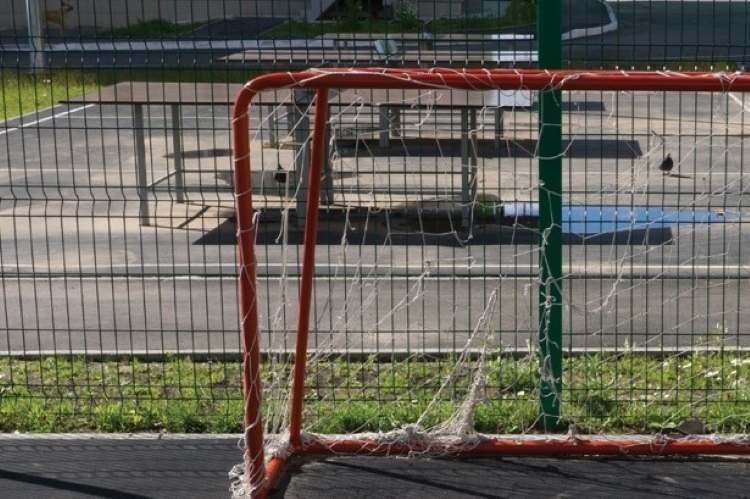
India’s own urban planning norms make the gap clear. The URDPFI guidelines suggest around 10 to 12 square metres of open space per person. Most cities do not meet even that benchmark. And even where parks exist, sports grounds are scarce. A landscaped park with benches is not a substitute for a functional playground with courts, goalposts, nets and exercise equipment.
The public health costs are serious. India is seeing a rise in obesity, diabetes and cardiovascular disease, including among younger people. Sedentary lifestyles, screen time and limited outdoor activity are part of the problem. Neighbourhood playgrounds can help reverse this trend. They are not decorative amenities. They are investments in preventive health, community interaction and youth development.
READ I Universal health coverage begins with prevention, not insurance
Grassroots sports need ward-level planning
From the standpoint of sporting excellence, sports infrastructure is basic. Countries that do well in international competition invest in grassroots ecosystems. Sports infrastructure like community playgrounds are where talent is first spotted and skills are first developed. Without facilities embedded in neighbourhoods, Olympic ambition will remain rhetorical. Talent may exist in every mohalla. Opportunity does not.
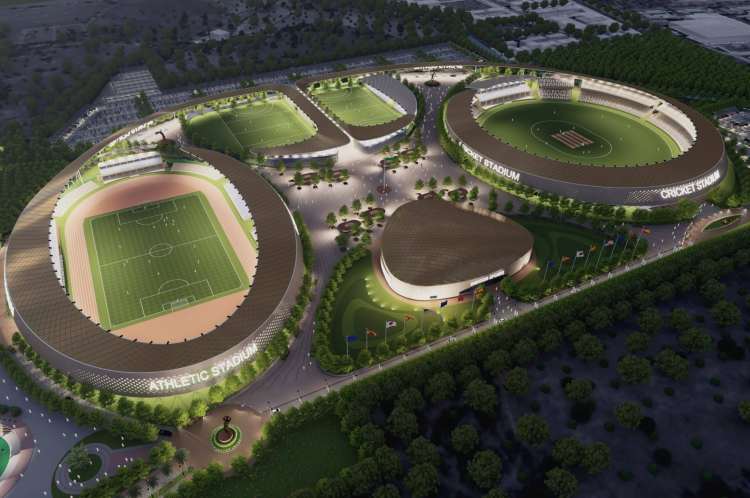

Urban governance must change its priorities. Recreational infrastructure should be treated as essential civic infrastructure, alongside roads, water supply and sanitation. Development plans in Jaipur and other cities should reserve land for multisport grounds in every ward. Public-private partnerships may help with maintenance, but access and affordability must remain central.
In Jaipur, ward-level sports facilities need systematic development. Schools should be encouraged to open their playgrounds for community use after hours through formal agreements. GIS mapping of existing open spaces can identify gaps and guide intervention. Resident welfare associations and citizen groups can help monitor upkeep and prevent encroachment.
Sports infrastructure and India’s urban future
The International Day of Sport for Development and Peace is a reminder that sport is not a luxury. It is a vehicle for inclusion, health and social cohesion. If cities continue to expand without accessible recreational spaces, they will become concrete landscapes with little civic vitality. Jaipur, with its heritage and rapid urban growth, can still choose a better model.
Healthy cities produce healthy citizens. Healthy citizens strengthen a nation. Investing in neighbourhood playgrounds is not a peripheral expense. It is an investment in public health, youth opportunity and India’s sporting future.
Amar Deep Singh is a Senior Programme Officer at CUTS International, a Jaipur based public policy action think tank.