


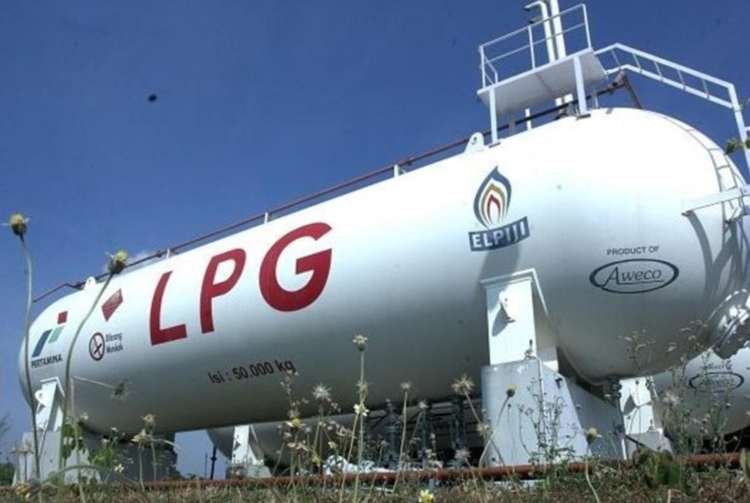
LPG crisis and India’s import dependence: India’s liquefied petroleum gas system, once central to clean cooking access, is under strain in 2026. Disruptions in West Asia have tightened supplies, raised prices, and triggered local shortages. A basic household fuel is exposed to geopolitical risk.
India meets nearly 60% of its LPG demand through imports; domestic output covers the rest. With over 330 million connections, India is the world’s second-largest LPG consumer. Demand is non-discretionary. Households do not cut consumption easily when prices rise.
READ I LPG price shock exposes India’s clean cooking gap
Chokepoint risks and LPG crisis
Nearly 90% of LPG imports transit the Strait of Hormuz. This concentration has long been a structural risk. Repeated disruptions have reinforced that exposure to a single maritime corridor is a vulnerability.
India has diversified sourcing over the past decade, increasing imports from the United States, Norway, and Canada. The United States, after its shale expansion, is now a major supplier. These routes bypass Hormuz and reduce transit risk. Energy trade has also served diplomatic purposes, including managing trade balances.
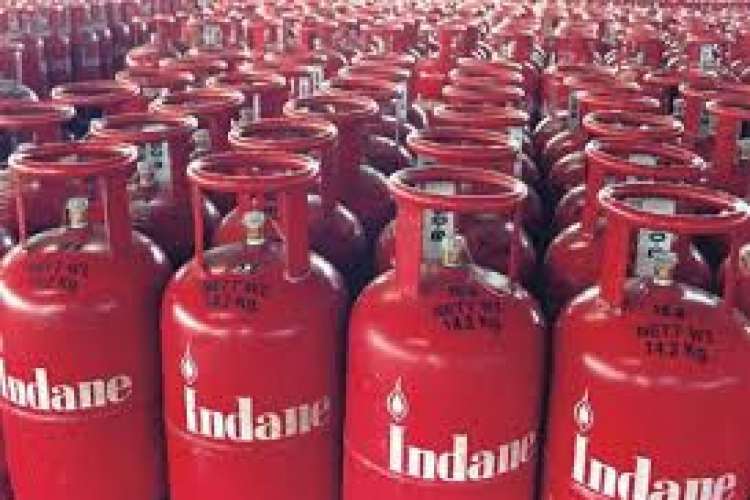

Diversification, however, does not remove systemic risk. The 2026 LPG crisis shows that external dependence, regardless of source, transmits shocks quickly. A reported 13% monthly drop in LPG consumption reflects both supply constraints and price pressure. Import costs feed into inflation, currency weakness, and external balances.
READ I Crude prices, LPG shortages, and the cost of Gulf dependence
Subsidies, pricing, and shock absorbers
The LPG system is not governed by market pricing alone. It is stabilised through subsidies and controlled price transmission. This layer shapes both demand and fiscal outcomes.
Subsidy transfers under direct benefit schemes cushion household prices, but adjustments lag global movements. When prices rise sharply, effective affordability falls before compensation catches up. The recent consumption dip reflects this lag as much as supply stress.
Public sector oil marketing companies—Indian Oil Corporation, Bharat Petroleum Corporation Limited, and Hindustan Petroleum Corporation Limited—absorb part of the shock through under-recoveries when retail prices are not fully aligned with import costs. This shifts the burden onto balance sheets or the exchequer.
The policy trade-off is fiscal. Subsidies are recurring and politically sensitive. Delayed pass-through contains inflation but builds quasi-fiscal pressure. Rapid pass-through reduces fiscal strain but hits household consumption. The transition pathways discussed later—electric cooking or domestic substitutes—sit within this constraint. They are not just technological choices; they are budgetary ones.
READ I LPG import dependence: Indian kitchens may feel the pinch
The case for domestic substitution
Reducing import dependence is now a strategic necessity. One pathway is blending Dimethyl Ether (DME) into LPG. DME can be produced domestically through coal gasification and used with existing infrastructure.
A 20% DME blend could cut imports by over 6 million tonnes annually and deliver significant savings. It also generates industrial spillovers, including hydrogen and fertilisers. The attraction is continuity: existing distribution networks remain usable.
Electrification gains and constraints
Electric cooking is expanding, especially in urban areas. Induction stoves and electric pressure cookers are cost-competitive under current tariffs. Operating costs can be lower than LPG, particularly where rooftop solar is available. Electrification reduces exposure to global fuel volatility.
Constraints remain. Electricity supply is uneven in rural and peri-urban regions. High-load environments—community kitchens, religious institutions, hospitality—face scaling limits. LPG retains advantages in portability and energy density.
LPG crisis: Efficiency versus continuity
Policy choices now centre on two pathways.
Subsidising electric appliances offers speed and efficiency. Adoption can scale quickly. It aligns with decarbonisation goals and reduces long-term fuel costs. Its success depends on grid reliability.
Coal gasification and DME blending represent continuity. India has large coal reserves—around 400 billion tonnes. Synthetic fuels can integrate with existing systems. This reduces disruption but requires high capital investment and raises emissions concerns unless paired with mitigation technologies.
A multi-path transition
A binary choice is unnecessary. India’s transition will be layered. DME blending, electric cooking, piped natural gas expansion, and biogas deployment can proceed in parallel.
Each pathway addresses a different constraint. Electrification reduces import exposure in cities. DME preserves system continuity. PNG works where networks exist. Biogas supports decentralised supply. Diversification reduces single-fuel risk.
The strategic lesson from LPG crisis
The 2026 LPG crisis reinforces a basic point: energy security cannot be outsourced. Diversified imports reduce risk but do not eliminate it. Domestic capability remains the anchor.
India’s earlier LPG expansion showed what policy can achieve. The next phase is about resilience. That means lowering import intensity, managing fiscal exposure, and sustaining access.
The objective is not to eliminate imports but to reduce vulnerability. A system that relies less on external supply and less on fiscal cushioning will be more stable.
The LPG crisis of 2026 is a stress test. The response will determine whether India moves from access-driven expansion to resilience-driven energy design.
Dr Megha Jain is Assistant Professor at Shyam Lal College, University of Delhi. Vanyaa Gupta is an independent economist based in New Delhi.