


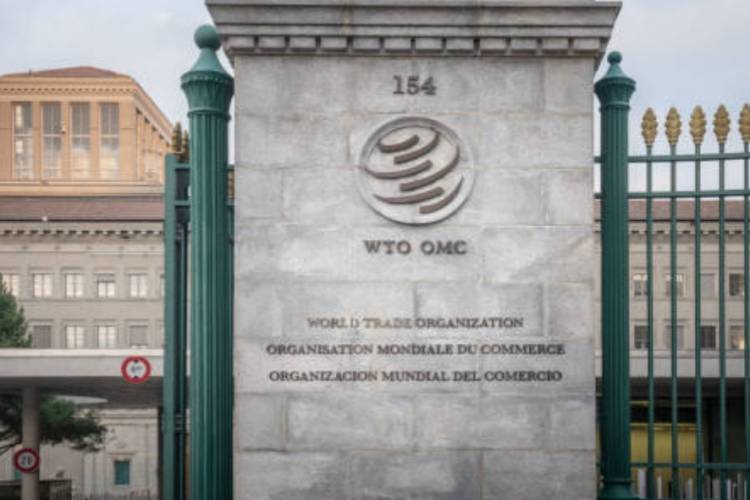
Even as India and the United States work towards a bilateral trade deal, they are headed for a clash at the World Trade Organisation’s 14th Ministerial Conference in Yaoundé. The issue is larger than procedural reform. It goes to the design of the trading system itself. MC14, scheduled for 26-29 March 2026, comes at a moment when members are still struggling to define what WTO reform should mean. The dispute is over whether the WTO should remain anchored in two core principles: consensus-based decision-making and non-discrimination through most-favoured nation treatment. Or whether it should move towards a looser plurilateral structure shaped by geopolitics, supply-chain realignment and selective reciprocity.
India has argued that WTO reform cannot become a pretext for diluting the institution’s basic disciplines. Its position is familiar and consistent. Finish the unfinished agenda first: agriculture, public stockholding for food security and development issues. Then talk of new rules. For India, a rules-based system cannot survive if members invoke it when convenient and bypass it when it does not suit them.
READ | WTO reforms test the future of rules-based global trade
The United States has moved in the other direction. Washington has signalled that the old assumptions of the WTO no longer fit the world economy. Its reform logic is blunt. MFN constrains countries that want to pursue selective trade arrangements in response to strategic competition, industrial policy and asymmetric market conditions. What worked in a more integrated trading order, in this view, works less well in a fractured one.
India’s WTO reform case
That is where the divide sharpens. India still sees value in a multilateral structure that protects weaker members from discriminatory treatment. MFN does that. If one member grants a concession, others benefit too. It limits club formation and preserves a degree of competitive neutrality. Once that principle weakens, the system becomes easier to segment into coalitions, side deals and exclusionary bargains.
For developing countries, that is not an abstract concern. A fragmented trade order rewards negotiating power, market size and strategic relevance. Countries outside the main coalitions lose leverage first and market access later.
India’s caution is also institutional. It has long used the multilateral system to defend policy space in agriculture, food security and rural livelihoods. That remains central to its negotiating posture. Its argument is not that the WTO needs no reform, but that reform cannot begin by eroding the few protections that make the system worth preserving for developing members.
READ | AI trade growth: How WTO’s new forecast changes dynamics
Agriculture and public stockholding remain central
This is why agriculture remains politically loaded. Public stockholding for food security is not an old talking point that India keeps repeating out of habit. It is unfinished negotiating business. India wants movement there before the WTO expands its ambitions into newer areas.
The United States sees the hierarchy differently. It wants the organisation to address current distortions, especially those linked to industrial policy, non-market behaviour and the rising weight of large emerging economies. In Washington’s view, reform is also about redistributing obligations. The old developed-developing split no longer matches commercial realities.
That question will not go away. India, China and others now account for a much larger share of global trade than when many WTO assumptions were built. The U.S. position is that obligations must adjust to that shift. India’s answer is that development remains incomplete, and that poverty, food security and livelihood concerns still require flexibility. The disagreement is really about who gets to define fairness in a changed trading order.
Dispute settlement is central to WTO reform
But WTO reform is not only about MFN, agriculture or development status. It is also about whether the organisation can still enforce its own rules. That is why dispute-settlement reform is central to the MC14 agenda. A trading system that cannot deliver binding, credible adjudication becomes weaker not only in law but in practice.
This matters directly to the India-US divide. The United States has long been dissatisfied with the way the dispute-settlement system evolved. Many other members, including developing countries, see a functioning two-tier mechanism as essential to preserving the WTO as a rules-based body rather than a forum for power bargaining. If enforcement remains crippled, even agreed rules lose value. That makes the debate over reform more fundamental than a disagreement over negotiating format.
Member-driven WTO reform has narrow support
There is, however, a limited area of convergence. India and the United States both say reform must remain member-driven. That matters because the growing use of facilitators, informal groups and closed drafting processes has bred mistrust across the membership. Transparent, inclusive negotiations are the minimum condition for any credible reform effort.
READ | India’s agriculture sector struggles amid WTO paralysis, tariff hikes
That common ground is narrow but useful. It does not bridge the substantive divide. But it does suggest that neither side wants agenda-setting power to slip entirely into opaque mini-lateral processes.
Unilateral tariffs weaken the rules-based order
The wider problem is credibility. The WTO is already under strain from a paralysed dispute-settlement system, the proliferation of regional agreements and the spread of unilateral trade measures. When large members resort to tariffs, investigations and trade restrictions outside multilateral disciplines, they reinforce the suspicion that rules are binding only on those too weak to ignore them. The WTO itself has framed dispute-settlement reform as part of the broader reform push heading into MC14.
That matters to India’s case. A system with imperfect rules is still preferable, from New Delhi’s perspective, to one in which power determines access. The erosion of MFN would formalise that drift.
MC14, then, is less a routine ministerial than a test of direction. Can the WTO adapt without surrendering the principles that gave it legitimacy? Or will reform become another name for managed fragmentation?
A middle path is still possible. The WTO does need to recognise the limits of its current structure. Some flexibility may be unavoidable. But flexibility that comes at the cost of transparency, inclusiveness and non-discrimination will not renew the system. It will thin it out.
The real question in Yaoundé is not whether reform is necessary. It is whether reform can proceed without emptying the WTO of its core purpose.