


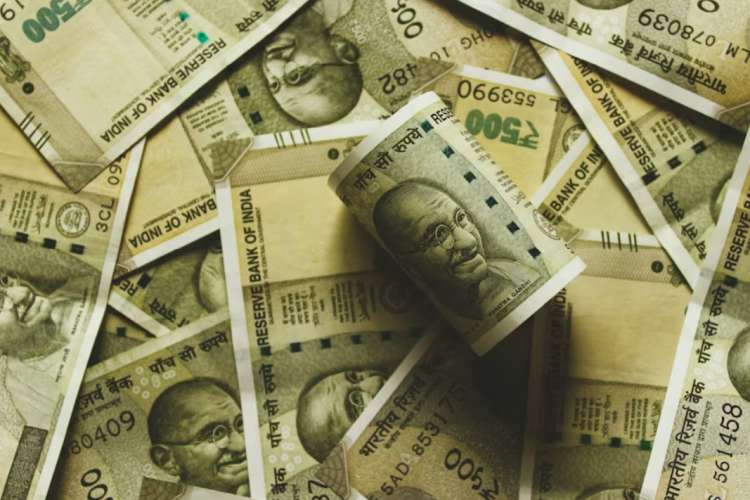
Rupee outlook: The rupee has gained a reprieve, not protection. It closed at 94.6650 to the dollar on June 24, helped by likely RBI dollar sales, even as the dollar index stayed near a 13-month high and most Asian currencies weakened. The RBI does not defend a rupee level but it intervenes to curb disorderly moves. That distinction is now central to the currency’s near-term outlook.
The June RBI Bulletin put the risk plainly. An adverse south-west monsoon could hurt growth and inflation. Geopolitical tensions and trade disruptions have eased after the interim US-Iran arrangement, but have not disappeared. For the rupee, the issue is the interaction of food prices, crude oil and capital flows.
READ | RBI’s rupee defence buys time, not confidence
Rupee outlook and monsoon risk
The monsoon is the domestic risk currency traders cannot ignore. By June 23, India’s monsoon rainfall was about 43% below average. The Centre has drawn up contingency plans for more than 300 districts, with 111 districts placed in the high-priority category because less than a quarter of their farmland is irrigated. Farmers in rain-fed areas have been advised to shift to short-duration and less water-intensive crops such as pulses, millets and oilseeds.
A weak monsoon feeds the rupee through food inflation and rural demand. The old shorthand that food is nearly half the CPI basket needs correction. Under the 2024 CPI series, food and beverages have a 36.75% weight. That is lower than the old 45.86%, but still large enough for a poor kharif season to alter inflation expectations.
Retail inflation rose to 3.93% in May from 3.48% in April, with food and fuel contributing to the increase. Food inflation was 4.78% in May. If July rainfall does not repair the June deficit, the market will price less room for RBI easing and more pressure on household budgets.
Oil prices and West Asia
The oil channel remains more direct. India imports about 85% of its crude oil requirement. A rise in crude prices raises the merchandise import bill, increases dollar demand from oil companies and worsens the current account arithmetic.
READ | Why India cannot let the rupee float
For now, oil has moved in India’s favour. Brent fell to $73.76 a barrel on June 24, its lowest level since before the latest Iran war began, after markets priced in smoother crude flows through the Strait of Hormuz and temporary waivers for Iranian oil exports. That relief can reverse if the interim arrangement frays.
RBI support for rupee
The rupee’s cushion is the RBI’s balance sheet. Foreign exchange reserves fell to $681.4 billion in the week ended May 22 as the RBI sold dollars during the rupee’s slide. Reserves later stood at $671.63 billion for the week ended June 12. This is still a large stock of insurance, but recent drawdowns show the cost of using it.
READ | Rupee fall exposes India’s external account strain
The RBI has also used policy to draw in dollars. Its June measures include full subsidy of hedging costs for fresh three-to-five-year FCNR(B) deposits until September 30, a concessional swap window for PSU external commercial borrowings, and wider access for foreign investors to longer-tenor government securities. These measures can support the rupee without committing the central bank to a fixed exchange rate.
Capital flows remain the weak link. FPIs sold heavily in March, April and May, with May outflows close to Rs 33,000 crore. Debt inflows may improve if the bond-market measures work, but equity outflows have already shown how quickly global investors can mark down India when oil, the dollar and geopolitics turn unfavourable.
The rupee is therefore not facing a crisis. It is facing a cluster of tests. A better July monsoon, stable crude prices and fresh dollar deposits would keep depreciation gradual. A failed monsoon revival, higher oil and continued FPI selling would force the RBI to choose how much reserve loss it is willing to absorb. The June Bulletin is best read as an early warning, not a crisis note.