


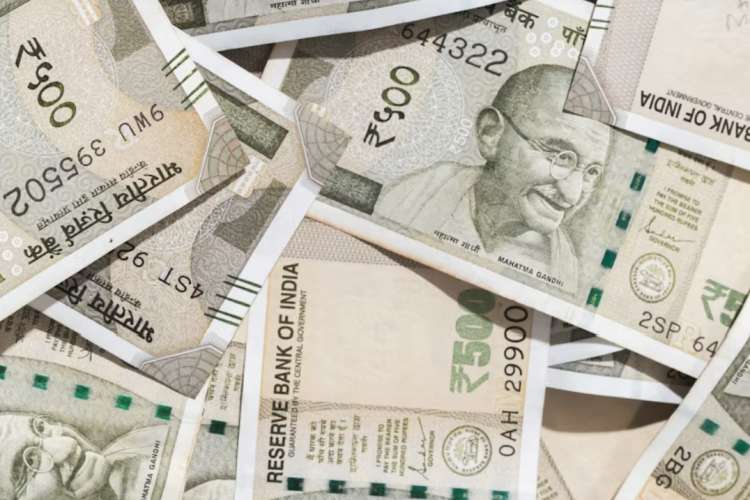
RBI’s $239 billion bet raises the cost of rupee stability: The Reserve Bank of India’s net short dollar position in the forward market reached a record $239.2 billion at the end of September 2026, up from $200.06 billion a month earlier. Much of the increase followed the special swap window introduced on June 8 to encourage banks to mobilise Foreign Currency Non-Resident (Bank) deposits. Banks raised nearly $133 billion through the FCNR(B) facility, which closed to fresh deposits on August 31. Eligible swaps could be undertaken until September 11.
The facility helped attract foreign currency at a time when rising crude oil prices, capital outflows and growing dollar demand were putting pressure on the rupee. It also demonstrated the RBI’s ability to use its balance sheet to influence foreign exchange liquidity. The resulting forward commitments, however, have consequences for the central bank’s future flexibility.
READ | Rupee oil payments need willing sellers
A stable rupee can contain imported inflation, reassure investors and give businesses greater certainty when planning international transactions. Defending the currency against sustained market pressure can become expensive, particularly when the underlying causes of weakness remain unresolved. Prolonged intervention can shift the burden of adjustment elsewhere in the financial system.
RBI’s forward position and the cost of hedging
Spot intervention involves buying or selling dollars for immediate settlement. Forward intervention involves agreeing to exchange currencies at a future date. The latter allows the RBI to influence market conditions without an equivalent immediate transaction in the spot market, but it also creates future commitments.
The distinction has become important as the RBI’s forward book has expanded. A large net short dollar position reduces the central bank’s room to influence forward pricing without adding to, or altering, its existing commitments. The size of the position is not, by itself, a measure of losses or a direct claim on foreign exchange reserves. Much depends on the maturity profile and the transactions through which the position was created.
The cost of currency hedging has risen sharply. The 12-month dollar-rupee forward premium increased from 3.36% at the end of September to 4.57% on October 30, a rise of 121 basis points. For an Indian importer who needs to pay a dollar-denominated bill a year later, a higher premium makes locking in the exchange rate more expensive.
Forward premiums reflect interest-rate differentials, demand for hedging and market liquidity, among other factors. The increase cannot be attributed entirely to the RBI’s intervention. Nevertheless, the combination of a large short forward book and elevated premiums complicates the central bank’s ability to provide further support.
The rupee has recovered around 2% from its recent low of ₹96.85 against the dollar following the RBI’s measures. Madhavi Arora, lead economist at Emkay Global, has cautioned that the subsequent easing in forward rates may represent a partial unwinding of the panic premium rather than a decisive improvement in market conditions. She has also pointed to the constraints imposed by the RBI’s large forward position.
The recovery in the spot market, therefore, offers only a partial picture of the pressure on the currency.
READ | Domestic investors cannot shield rupee from FPI outflows
Can the RBI keep defending the rupee?
India follows a market-determined exchange-rate framework, with the RBI intervening to prevent excessive volatility rather than defend a particular exchange rate. In practice, the distinction between managing volatility and resisting depreciation can become blurred when selling pressure persists.
Foreign exchange intervention can moderate abrupt movements, but it cannot permanently offset an imbalance between dollar demand and supply. If oil prices remain elevated, foreign portfolio investors continue withdrawing capital or export earnings fail to keep pace with import payments, pressure on the rupee will persist.
There are costs to allowing the exchange rate to adjust too abruptly. India depends heavily on imported crude oil, and sharp depreciation can raise fuel costs, feed into inflation and weaken corporate balance sheets. Companies with unhedged foreign currency liabilities are particularly exposed. Intervention is justified when disorderly market movements threaten financial stability.
The difficulty arises when temporary support becomes an extended effort to resist depreciation. Persistent intervention can complicate liquidity management, while higher hedging costs can affect businesses that need protection against currency movements. The RBI must also consider whether measures used to stabilise the exchange rate are consistent with domestic inflation and credit conditions.
Its monetary policy decisions should principally reflect the needs of the Indian economy. Currency intervention can provide time for markets to adjust, but it cannot substitute for improvements in the external balance.
READ | US interest rates are testing RBI’s rupee stance
Why greater exchange-rate flexibility deserves consideration
There is a strong argument for allowing the rupee to absorb a larger share of external shocks, even if this means accepting some depreciation. A flexible exchange rate reduces the need for the central bank to absorb market pressure through repeated intervention.
Research by Ila Patnaik and Rajeswari Sengupta, published by the National Institute of Public Finance and Policy, examines India’s exchange-rate management between 2000 and 2020. Their study identifies a shift towards more active management after 2013, using both spot and forward intervention.
The researchers also found that the RBI’s response to exchange-market pressure was asymmetric. It generally purchased foreign exchange when the rupee faced appreciation pressure, while allowing depreciation to absorb a much larger share of pressure when the currency weakened.
The findings suggest that exchange-rate flexibility has historically remained part of India’s approach even during periods of active management. The present concern is whether the growing scale of intervention is reducing that flexibility.
A more flexible exchange rate could improve price competitiveness for some exporters and encourage companies to manage currency risks more carefully. The benefits should not be overstated. Many exporters depend on imported inputs, and a weaker rupee raises their costs. Export performance also depends on overseas demand, productivity and domestic production conditions.
Greater flexibility should not become a policy of encouraging depreciation. Nor does it require the RBI to withdraw from the foreign exchange market. The central bank has sufficient reason to intervene when liquidity becomes strained or currency movements threaten financial stability.
The record forward position shows how much the RBI has committed to managing the present episode of currency pressure. Its priority should be to retain enough freedom to respond to the next one. Treating every fall in the rupee as a movement to be reversed would make that increasingly difficult.