


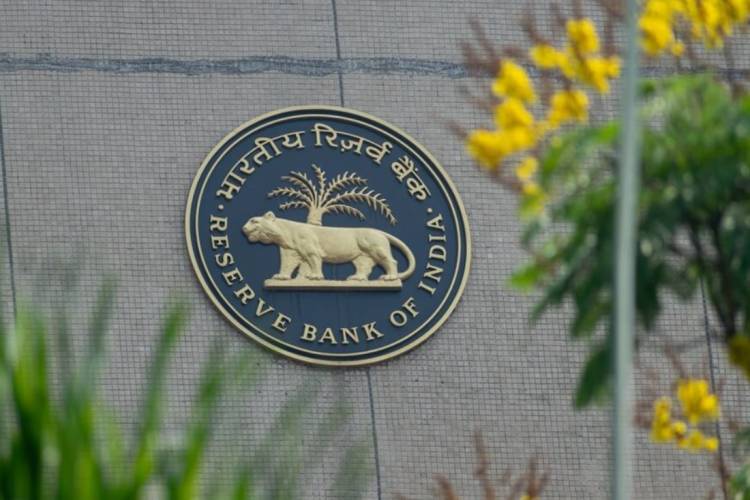
RBI dividend windfall: The Reserve Bank of India has lately made life easier for the government. It has bought large quantities of government bonds and transferred record dividends. That has supported liquidity, kept yields from rising sharply, and eased fiscal arithmetic at a time when inflation has remained moderate.
This can look like painless economic management. Over the past two years, the central bank has helped sustain liquidity through open market operations, supported the government through large surplus transfers, and managed pressures in the bond market and foreign exchange market. But this is not a permanent arrangement. Nor is it costless.
READ | RBI Payments Vision 2025: Inclusion gaps remain despite UPI success
How money supply expands
Money enters the economy through four main channels. The first is commercial bank lending. When banks extend loans, they create deposits. Credit growth, therefore, expands money supply.
The second is bank and central bank financing of government borrowing. When banks or the RBI buy government bonds and the government spends that money, new purchasing power enters the system. If households or non-bank investors buy those bonds, money changes hands but aggregate money supply does not rise.
The third channel is foreign exchange intervention. When foreign capital enters India and the RBI buys dollars in exchange for rupees, it injects rupee liquidity. Unless that liquidity is sterilised, money supply expands.
The fourth is RBI dividend transfers. When the central bank transfers surplus to the government and the government spends it, liquidity rises.
RBI dividend and its monetary effects
Money creation is never neutral. It finances consumption, investment, asset purchases and imports. It shapes inflation, asset prices and the external balance. It can also contract. That happens when loans are repaid, when bank-financed government spending is restrained, when capital flows reverse and the RBI sells reserves, or when banks raise capital from non-bank investors.
The scale of recent RBI transfers has been unusual. In FY25, the RBI transferred ₹2.69 trillion to the government, after ₹2.11 trillion in the previous year. These are not routine sums. They have reduced the fiscal and revenue deficits on paper and boosted non-tax revenue when expenditure pressures remain high.
READ | Cooperative banks: RBI must fix structure, not issue licences
Part of this is straightforward. The RBI earns income on foreign exchange reserves that are backed largely by currency in circulation and bank balances on which it pays little or no interest. It also earns interest on the government bonds it holds.
The more awkward issue is circularity. The government pays interest on bonds held by the RBI, and the RBI then returns much of its surplus to the government. This is not direct deficit monetisation. But it can resemble it in effect. The monetary implications, therefore, cannot be ignored.
Forex gains, OMOs and liquidity injection
The most opaque part lies in foreign exchange gains. When the RBI sells dollars acquired at a lower historical price, it books profits. Those sales absorb rupees and drain liquidity. If the realised gains are then transferred to the government and spent, that can offset the earlier contraction.
But accounting can blur the underlying effect. The RBI may book gains on part of its dollar sales even while its overall reserve position remains large. If such gains are transferred as dividend without a durable liquidity withdrawal underneath, the payout becomes an additional liquidity injection.
That is why dividends need to be seen alongside OMOs and reserve operations, not in isolation. Broad money is growing at around 12% year-on-year. Bank credit remains strong. Credit to government has also expanded. RBI bond purchases have offset liquidity drained by foreign exchange pressures. Together, OMOs and dividend transfers have eased financial conditions.
Impossible trinity and rupee pressures
This cannot be viewed only through the fiscal lens. Persistent liquidity support and softer yields affect the exchange rate and the balance of payments. The old impossible trinity still applies: no country can simultaneously maintain exchange-rate stability, free capital flows and full monetary independence indefinitely.
READ | RBI’s push for banking transparency and the right to information
India does not run a fixed exchange rate. But the tension remains real. If domestic liquidity is kept abundant while capital flows stay volatile, pressures on the rupee can intensify. That complicates external management.
Deeper bond markets and fiscal discipline
Two structural changes are needed.
First, India needs deeper bond markets. A larger role for households, pension funds, insurers and other non-bank investors in financing government and corporate debt would reduce dependence on bank and RBI balance sheets. Borrowing would then place less direct pressure on money supply.
Second, the government must keep reducing the revenue deficit. RBI dividends are volatile. They cannot substitute for durable tax revenues or spending discipline.
The larger point is simple. The RBI is not a cash-rich public sector enterprise handing out excess money. Its bond purchases and dividend transfers are monetary actions with consequences for inflation, interest rates and the external balance.
In benign conditions, this support can look convenient. But India should not assume that central bank accommodation will remain plentiful. Fiscal strength has to come from more durable sources.