


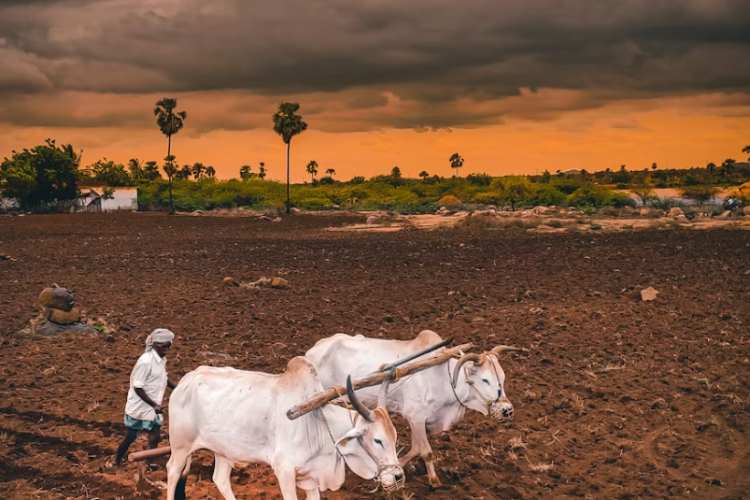
A deficient monsoon no longer frightens India the way it did in the 1960s or 1970s. The economy is larger, services dominate output, irrigation has expanded, and grain stocks are comfortable. Yet the monsoon still decides the cash position of millions of rural households. That is where the economic story begins.
The India Meteorological Department has put the 2026 southwest monsoon at 90% of the long-period average. That forecast sits close to the line that separates a weak monsoon from a deficient one. The probability table is more telling than the headline number. The deficient category has the largest weight and the monsoon core zone is expected to receive below-normal rainfall.
READ | Below-normal monsoon may unsettle India’s rural recovery
June has started badly. A poor June can still be repaired if July and August deliver. Farmers know this better than analysts. But delayed rain changes behaviour at once. Sowing is postponed, seed purchases are reviewed, irrigation water is conserved, and households become more careful with discretionary spending. A national rainfall forecast becomes a local cash-flow problem.
Weak monsoon and farm income
The old link between monsoon and GDP has weakened. The link between monsoon and farm income has not. That distinction matters for 2026.
Agriculture’s share in output is far lower than it was at Independence, but the sector still employs a large workforce and supports much of rural trade. A weak kharif season therefore travels through wages, crop choices, input purchases and mandi turnover. It does not need to produce a national crop failure to dent demand.
The Centre has asked states to prepare district-level contingency plans. Reports say more than 300 districts are being watched. This is not administrative overreaction. It reflects the nature of the risk. A national monsoon deficit is less damaging than a badly distributed deficit that hits the sowing window in rainfed districts.
The crops at risk are familiar: pulses, cotton, oilseeds, coarse cereals and rainfed paddy. Sugarcane in water-stressed districts faces a different problem. Farmers may reduce acreage if canal water becomes uncertain. Less water-intensive crops can save the season, but they usually bring lower returns. That is already the economic loss, even before yield data arrive.
The comparison with 2015 is useful. India had a weak monsoon then, and demand for tractors, two-wheelers and white goods softened in rural markets. The comparison with 2023 is also useful because strong food stocks and contingency planning helped contain the damage. The lesson is not that India is safe. It is that the damage now appears unevenly, through specific crops, districts and consumption categories.
READ | FMCG sector eyes a turnaround backed by monsoon, tax relief
Deficient rains and food prices
Food inflation is the quickest route from weak rainfall to the wider economy. Rice and wheat stocks give the Union government a cushion. Open-market sales can check cereal prices. Procurement and buffer stocks are doing exactly what they were designed to do.
The exposed items sit outside that comfort zone. Vegetables, pulses and edible oils are more vulnerable to heat, delayed sowing and rain breaks. Tomatoes, onions and potatoes can move retail inflation faster than cereals. Pulses are more exposed because acreage and yields react sharply to rainfall stress. Edible oils add an imported risk, since palm oil supply from Malaysia and Indonesia can also be hit by El Niño conditions.
This is why a weak monsoon can hurt households even when granaries are full. A consumer does not experience food inflation through rice stocks in a government warehouse. The monthly budget is shaped by dal, vegetables, milk, cooking oil and transport costs. If these prices rise together, the political pressure will arrive before the macroeconomic data.
The Reserve Bank of India can look through a short vegetable spike. It has done so before. A longer food shock is harder to ignore because it feeds expectations and wage claims. That is where the monsoon forecast enters monetary policy. It does so through the kitchen, not through the national accounts.
Deficient monsoon: Rural demand and automobiles
The automobile industry has had a strong run. May 2026 retail data showed growth across categories, including tractors, passenger vehicles and two-wheelers. Dealers were still looking to the monsoon and kharif preparation to carry demand into the next quarter. That optimism rests on rural liquidity.
A weak monsoon changes the order book. Tractor demand responds directly to farm confidence. If sowing is delayed or acreage shifts to lower-return crops, farmers postpone purchases. The same farmer may still repair an old tractor, buy diesel and hire labour, but a new tractor becomes easier to delay.
Two-wheelers are even more sensitive. They are the first durable purchase for many rural and semi-urban households. Sales depend on farm income, remittances, credit availability and festival sentiment. A poor harvest does not always cancel demand; it pushes it into the next season. Dealers feel the gap as fewer enquiries turn into bookings.
Entry-level cars face a similar pattern, though the rural link is weaker than in two-wheelers and tractors. In a good monsoon year, rural buyers move from two-wheelers to small cars or used cars. In a weak monsoon year, replacement demand survives, but upgrades slow. Inventory then becomes the problem. Dealers cannot keep taking stock on the assumption that the festival season will repair a poor kharif income cycle.
The 2015 experience is instructive. Weak monsoon conditions then hurt tractors, two-wheelers and rural-facing consumer categories. India’s auto market is larger now and financing is deeper, but the rural pocket still sets the tone for mass-market segments. Urban SUVs may keep selling. That does not protect commuter motorcycles or tractors in drought-hit districts.
READ | GDP growth: Monsoon woes, inflation threaten recovery
White goods and the postponed purchase
White goods react to deficient rains through household confidence. A refrigerator, washing machine or television is easier to postpone than food, school fees or health spending. Rural consumers may still aspire to buy, but the timing changes when crop income becomes uncertain.
Heat can lift demand for fans, coolers and air conditioners in urban and better-off rural households. That does not offset the effect of weaker farm cash flows across the wider market. The white goods industry depends heavily on festival demand, dealer finance and replacement cycles. A poor monsoon can weaken all three in rural and small-town markets.
Retailers saw this pattern in earlier weak monsoon years. Appliance sales during festival periods softened in farm-dependent districts because households held back cash. The consumer does not announce a demand slowdown. The purchase is deferred, the exchange offer is ignored, and the retailer finishes the season with stock.
Companies with urban exposure will fare better. Premium appliances in large cities are more protected. The vulnerable market is the one that sells entry-level refrigerators, washing machines and televisions through small dealers in districts where farm income still drives the festival wallet.
Water stress and state spending
Water stress can turn a weak monsoon into a wider economic irritant. Maharashtra has already moved to conserve dam water for drinking needs and restrict irrigation releases. Mumbai has faced water cuts after a dry June. These steps are rational, but they shift costs to farmers, builders, small businesses and local bodies.
When irrigation water is held back, crop plans change. When drinking water takes priority, tanker spending rises. When urban water is cut, construction sites and commercial users adjust operations. These costs may look small separately. In a weak rainfall year, they accumulate across districts.
State governments will face pressure before the Centre does. They will have to manage drinking water, fodder, rural employment, crop advisories and possible compensation demands. If food prices rise, the Centre will step in through stocks and trade measures. The fiscal cost may therefore be split across levels of government, with states absorbing the first shock.
India can manage a weak monsoon better than before. Reservoirs and grain stocks buy time. Irrigation reduces the output loss in many regions. A larger services economy prevents a bad crop from pulling down growth as sharply as in earlier decades.
The danger for 2026 lies in the combination of local crop losses, higher food prices and weaker rural consumption. Agriculture may no longer dominate GDP, but it still sets the spending capacity of households that buy tractors, two-wheelers, entry-level appliances and everyday goods. If July and August disappoint, the monsoon will show up in dealer yards, mandi prices and state water orders long before it shows up in GDP.
READ | Patchy monsoon rains spell trouble for Indian economy