


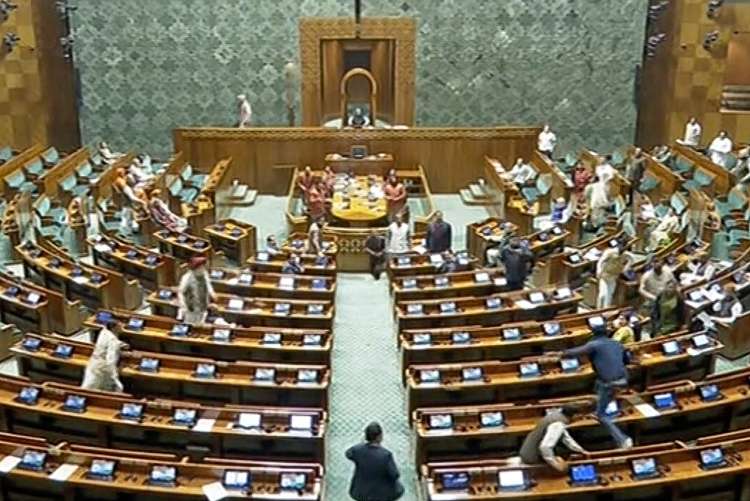
Delimitation bill needs fair rules for redrawing seats: The Union Cabinet cleared a revised delimitation package on November 27, three days before the Lok Sabha is due to reconvene for a special sitting. The proposal would give every state and Union territory 50% more Lok Sabha seats, broadly preserving their relative weight, and aims to bring in one-third reservation for women by the 2029 general election. The uniform increase is a substantial concession after the government’s defeat in April. It also narrows the dispute. Parliament can now ask who will draw the new constituencies, what rules they will follow and how much time voters will have to challenge a draft map.
READ I Women’s reservation fails its latest political test
Delimitation bill preserves an old imbalance
Under the revised formula, Uttar Pradesh would go from 80 seats to 120 and Bihar from 40 to 60. Kerala would go from 20 to 30. The draft raises the Lok Sabha ceiling to 850 and would keep interstate shares broadly in place until the relevant figures from the first census taken after 2051 are published. For states that reduced fertility earlier, the assurance is concrete. Their voice in the Lok Sabha would remain roughly as strong after expansion, subject to rounding.
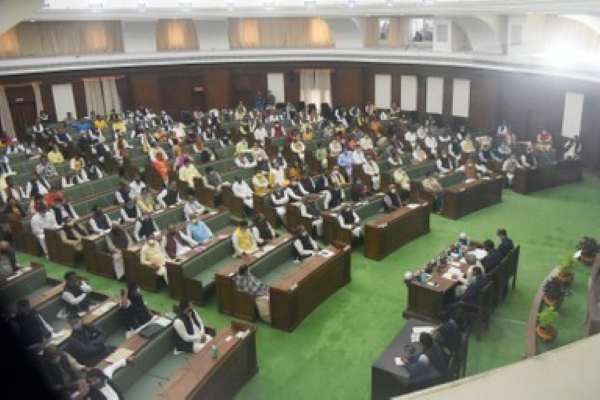

Voters in faster-growing states such as Bihar and Uttar Pradesh have a legitimate claim to greater representation. With Lok Sabha seat shares still largely anchored to the 1971 Census, an MP in either state represents more people on average than an MP in Kerala or Tamil Nadu. A uniform 50% increase would ease the workload of MPs across the country while leaving that gap broadly intact. An expansion weighted towards population growth could narrow it and allow every state to keep its existing seats. Even then, some states would account for a smaller share of the House. That explains why the assurance that no state would lose seats did little to settle the April dispute.
READ I Women’s Reservation Bill: A landmark in addressing gender disparities
Fight shifts to constituency boundaries
The companion bill keeps the basic commission structure used in 2002. The Centre would appoint a serving or former Supreme Court judge as chair. The Chief Election Commissioner or a nominee from the Election Commission would sit alongside the state election commissioner or, in specified cases, a governor’s nominee. Draft maps would be published and objections heard in public. Constituencies would be drawn with regard to compactness, administrative boundaries and public convenience. Those are real safeguards. The delimitation bill also gives final orders the force of law and seeks to bar court challenges, placing considerable weight on what the public can see and contest before the maps are finalised.

A state can retain its share of Parliament while the electoral balance inside it changes. A city divided at ward boundaries may get a different set of competitive seats from the same city divided along municipal lines. Either map could meet the population target. Parliament should require the commission to publish the data behind its maps and explain substantial departures from existing boundaries, including its reasons for rejecting serious objections. Requiring consultation with the Chief Justice of India before appointing the chair would also give parties outside the government a better basis for trusting the process.
The choice of census makes that scrutiny more important. The delimitation bill uses the latest figures published when the law commences, which would mean the 2011 Census if it takes effect before the new figures are available. Enumeration for Census 2027 is already under way. Using 2011 data could buy time to prepare for the 2029 election. It would also mean designing seats for fast-growing urban fringes using a population count nearly two decades old by polling day. Before MPs accept that trade-off, the government should publish its timetable for enumeration results, draft maps, hearings and final orders.
READ I Kerala universities need room to govern themselves
Women’s reservation deserves a timetable
The 106th Amendment, enacted in 2023, tied women’s reservation to a delimitation exercise after publication of the relevant figures from the first census taken after its commencement. The new package would replace that trigger with the first delimitation under the revised amendment and make a 50% expansion part of the exercise.
The government has a fair argument for moving quickly. Waiting for fresh census figures and a nationwide remapping could cost another election cycle. Parliament could instead amend Article 334A to bring in the quota on existing constituencies for 2029, using published selection rules that also apply within the seats reserved for Scheduled Castes and Scheduled Tribes. The boundary review could then proceed on its own timetable.
Even if Parliament keeps the two measures together, it should settle the rules for choosing and rotating reserved seats in advance. The companion bill leaves the manner of rotation to the commission. Late publication would compress the time prospective candidates have to build local support, including women entering electoral politics for the first time. A statutory interval between publication of the final maps and their first use would make the 2029 target a test of administrative readiness rather than a reason to truncate public hearings.
The Centre has shown it can revise the delimitation bill in response to objections. It should use the November 30 sitting to refer the package to a parliamentary committee with a reporting deadline and seek evidence from states and election administrators. Once the new boundaries are in force, voters will have to live with decisions that Parliament took in a few days. They should be able to see how those decisions were made before MPs vote.