


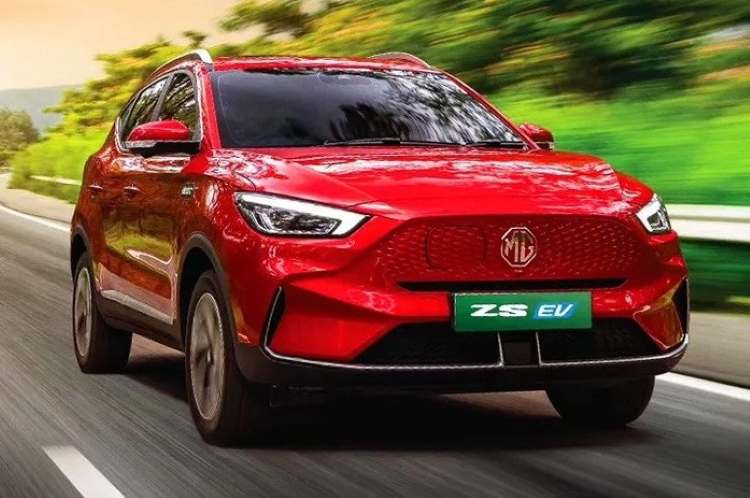
At a traffic signal in Delhi, an electric SUV can wait beside an e-rickshaw and a delivery worker on an electric scooter. All three may be counted as evidence of the same green transition, although they embody very different relationships to mobility.
The SUV offers private comfort and status; the e-rickshaw provides shared transport; the scooter is often inseparable from a worker’s livelihood. To see only three electric vehicles here is to miss the differences in power and vulnerability. This is what technological optimism does: treats a change in the machine as if it were automatically a transformation of the system.
READ I Southern states drive India’s electric vehicle adoption
New electric vehicles policy 2026
Delhi’s new Electric Vehicles Policy, notified on June 30, and effective from July 1, 2026, is nevertheless a serious intervention. From January 2027, only electric three-wheelers and N1-category light goods vehicles can be newly registered; from April 2028, the mandate extends to new two-wheelers. First-year purchase incentives reach ₹30,000 for electric two-wheelers, and ₹50,000 for e-autos. Electric cars priced up to ₹3 million receive road-tax and registration-fee exemptions, while eligible owners who scrap older cars can receive ₹100,000. The policy also supports charging, battery recycling and government electric buses.
Unlike India’s national PM E-DRIVE scheme, though, the Delhi policy combines incentives with mandatory deadlines.
The policy identifies vehicles as contributing 23 percent of Delhi’s winter air pollution and notes that two-wheelers constitute about 67 percent of its vehicle stock. Prioritising intensively used two- and three-wheelers, goods vehicles and buses is sensible. EVs eliminate tailpipe exhaust, use energy more efficiently and generally produce lower lifecycle emissions than comparable petrol or diesel vehicles.
An India-specific review by the International Council on Clean Transportation and IIT Roorkee supports the immediate adoption of battery-electric vehicles, while showing how strongly the gains depend on the electricity mix and real-world energy use.
The policy is therefore a necessary beginning, but not a mobility transition. Unless Delhi also reduces car dependence, expands accessible public and shared transport, and distributes the costs of electrification more justly, it will remove pollution from the tailpipe while preserving the unequal and resource-intensive system around it.
Just displacement of pollution?
An electric vehicle has no exhaust pipe, but it remains connected to an energy and material chain. According to the Central Electricity Authority, coal supplied roughly seven-tenths of India’s electricity during 2025–26 up to January. As the grid becomes cleaner, the climate advantage of EVs will grow. Until then, some of the pollution and environmental harm removed from Delhi’s streets is displaced towards coal-mining regions and settlements near power plants.
Similarly, batteries connect clean vehicles to landscapes marked by water depletion, land conflict and unsafe work. The International Energy Agency estimates that over half of current lithium and copper production is concentrated in areas facing high water stress, including lithium-producing regions in Australia and South America and much of Chile’s copper-mining belt. Delhi’s provisions for collection, reuse and recycling are welcome, but end-of-life management cannot guarantee justice at the beginning of the supply chain.
Electrification also leaves the structure of car-dependent mobility largely untouched. An electric SUV occupies the same road and parking space as a petrol SUV, creates the same congestion and can be equally threatening to pedestrians and cyclists. Tyres, brakes and road surfaces continue to generate particulate pollution.
For heavier, longer-range EVs, the OECD estimates that non-exhaust PM2.5 emissions can be 3–8 percent higher than those of comparable conventional vehicles, even though regenerative braking—which captures the energy lost during braking to recharge the EV battery—reduces brake wear. Vehicle weight and total travel therefore matter alongside the drivetrain.
EV registrations can rise even as the total number of vehicles and kilometres travelled rises with them. Delhi registered 709,024 new vehicles in 2024, up from 657,954 in 2023; two-wheelers alone accounted for 448,767 of the 2024 total.
But is dependence on private vehicles falling? Is affordable mobility becoming more widely available? These questions are inseparable from inequality. A tax exemption for a car costing up to ₹3 million benefits households that already possess the income, parking space and charging access required for car ownership. Delivery workers and auto drivers, by contrast, face debt, high interest rates, uncertain resale values, charging queues and earnings lost during charging or repairs.
The government has presented the policy as especially attentive to Delhi’s gig economy, emphasising the lower fuel and maintenance costs of EVs. Yet most of the immediate burden will be placed on individual workers and their families.
New Delhi’s Gig Workers Association has asked for interest-free loans, adequate subsidies, affordable charging and battery swapping, social protection and financial responsibility from platform companies. It has also argued that no worker should suffer wage or income losses because of the policy.
Charging infrastructure illustrates the same divide between provision and access. More charging points will not help if they are unreliable, unaffordable or distant from workers and low-income residents. The Institute for Energy Economics and Financial Analysis found that nearly 84 percent of the public chargers examined in its representative Delhi sample were not functioning, primarily because of theft and inadequate maintenance. The policy does ask Delhi Transco Limited to develop service standards, but implementation must measure uptime, affordability and neighbourhood access, not merely installations.
There is also a cultural question that the policy leaves unaddressed. In India, the private vehicle has become a symbol of arrival, autonomy, safety, masculinity and class mobility. An electric SUV can carry the same aspirations and hierarchies as a petrol SUV, now accompanied by the reassurance of being green.
A policy that subsidises electric vehicles while leaving the prestige of private automobility intact, risks decarbonising aspiration without reducing the demand for energy, materials and urban space.
READ I China’s AI strategy is built for the world beyond America
From electric vehicles to just mobility
A more adequate policy would locate EVs within the established “avoid, shift and improve” framework.
Delhi concentrates on improvement: replacing conventional vehicles with cleaner ones. A transition must also avoid unnecessary motorised travel through compact, mixed-use planning, and shift journeys towards buses, the Metro, walking, cycling and genuinely shared mobility.
The Intergovernmental Panel on Climate Change finds that shifting journeys from cars to buses or rail can reduce emissions and costs together. Delhi’s electric-bus commitment is valuable, but electrifying buses is not the same as ensuring that enough frequent, reliable and affordable services reach where working people live. Public expenditure must prioritise access to mobility over private vehicle ownership.
That means linking assistance to income and livelihood needs; providing concessional finance and social protection for workers; requiring platforms to share conversion costs; and ensuring reliable charging beyond gated housing. It also means favouring smaller vehicles, expanding walking and cycling infrastructure, applying parking and congestion measures to electric cars, and accelerating grid decarbonisation.
Delhi can draw on the ambitions of the European Union’s 2023 battery regulation, which moves beyond tailpipe emissions towards carbon disclosure, recycled content, mineral recovery and supply-chain due diligence. However, the EU has postponed the application of its battery due-diligence obligations until August 2027. Evaluation should track not only registrations, but vehicle kilometres travelled, mode share, vehicle weight, charging reliability, subsidy distribution and worker outcomes.
Delhi’s policy is a serious beginning, but its danger lies in allowing technological achievement to substitute for harder choices about public transport, urban space, labour and justice.
A just mobility system would be one in which fewer people are compelled to buy private vehicles, workers do not have to finance change with precarious incomes, and clean air in Delhi is not secured through hidden harm elsewhere.
Unless we also change the system organising mobility, aspiration and inequality, we will have replaced the engine without changing the direction of travel.
Soumyajit Bhar is Senior Assistant Professor and Director of the Community Transitions Research Centre at the School of Liberal Studies, BML Munjal University. His work examines consumption, inequality, developmental aspiration, and the social and psychological dimensions of environmental transitions. Originally published under Creative Commons by 360info
