


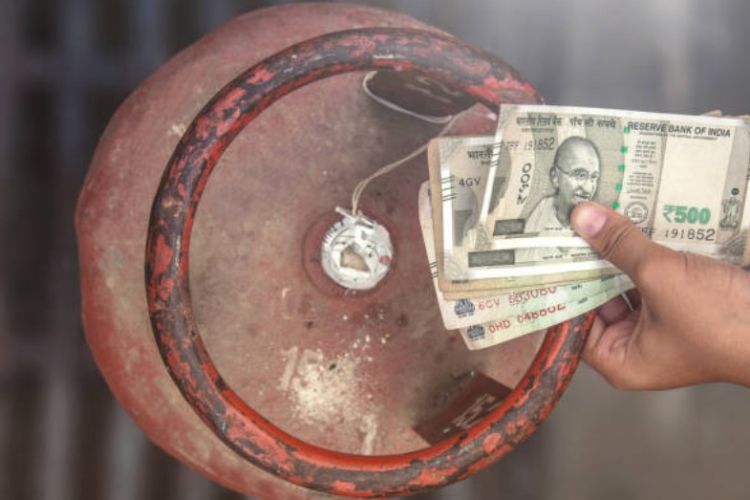
India braces for LPG import disruption: The war in West Asia has revived concerns about India’s energy security. India is heavily dependent on imported fuels. If the conflict does not de-escalate and shipping disruptions persist, the first visible strain may not be at petrol pumps. It may be in household kitchens.
India is one of the world’s largest buyers of liquefied petroleum gas. LPG is a household fuel in India, not a niche product. PPAC data show over 33.2 crore active domestic LPG connections as of January 1, 2026, while an earlier LPG profile report put domestic consumers served by PSU oil marketing companies at nearly 32 crore and PMUY beneficiaries above 10 crore.
READ | New GDP series lifts growth outlook, but oil and trade risks persist
That scale matters because India’s LPG system has grown faster than its domestic supply base. The result is a structural import dependence that becomes dangerous when the Gulf shipping corridor is under stress.
LPG imports face a narrower margin for error
The central question is not whether India is exposed to West Asia for LPG imports. It is where the exposure will bite first.
India has a layered buffer for crude oil and refined fuels. The strategic petroleum reserve at Visakhapatnam, Mangaluru and Padur holds 5.33 million metric tonnes of crude. This is not enough on its own, but when combined with commercial inventories at refineries and fuel depots, it gives the system a cushion against a sudden crude shock.
LPG works differently. PPAC’s LPG profile shows all-India LPG tankage of about 1,223 thousand metric tonnes, equivalent to roughly 15 days of cover. At bottling plants, the average cover is only about six days. That is the key vulnerability. LPG is not just imported. It must be discharged, stored under pressure, bottled, loaded and distributed across a dense national network. The tighter the storage, the thinner the operating margin.
So the risk is not simply that cargoes may not arrive. It is that even delayed arrivals can tighten the bottling and dispatch chain very quickly.
Shipping costs can disrupt supply before a blockade does
The original draft treated the problem mainly as delayed cargoes through the Strait of Hormuz. That is true, but incomplete.
In an energy crisis, physical disruption is only one channel. Freight rates, vessel availability and war-risk insurance can tighten supply even before a formal blockade takes hold. Reuters has reported that shipping costs for Gulf routes have surged, insurers have widened high-risk zones, and war-risk cover has been cancelled or repriced for some vessels moving through the region. That raises the probability of deferred liftings, slower cargo movement and delivery rescheduling.
For LPG, this matters more than it does for crude. Crude has a deeper global shipping market and larger storage buffers. LPG logistics are more specialised. India can seek substitute cargoes from the United States, Russia or Africa, but substitution is slower and more expensive.
READ | Rupee depreciation is India’s oil warning
Petrol and diesel may hold up longer than cooking gas
This is why an immediate nationwide shortage of petrol or diesel is still less likely than an LPG squeeze.
Refineries can keep running for a while on existing crude inventories, and India’s product logistics are deeper than its LPG logistics. The country’s fuel system was built to absorb some delay in crude flows. LPG storage and distribution were built for speed, not for long disruption.
That distinction is important. A crude reserve protects refinery throughput. It does not automatically protect LPG availability. Refineries do produce LPG as a by-product, but domestic refinery output cannot fully compensate for a prolonged import disruption. Even higher refinery run rates would offer only partial relief. The bottleneck can shift from crude availability to LPG handling, bottling and evacuation.
LNG disruption is already widening the stress
The pressure is no longer theoretical. Reuters reported on March 4 and March 5 that QatarEnergy declared force majeure on LNG shipments, Petronet LNG issued force majeure notices after tankers could not access Ras Laffan, and GAIL as well as Indian Oil began curbing supplies to some industrial customers. Gujarat Gas also moved to cut industrial deliveries.
LNG is not LPG. But the disruption tells us something important. India’s gas economy runs on just-in-time imports more than policymakers like to admit. When LNG cargoes are held up, industrial users begin switching fuels, curtailing consumption, or pressing for alternate supply. That adds stress to the broader energy system even if household LPG remains protected in the first round.
The real domestic pinch point is distribution
The weak link is not only import dependence. It is domestic movement after import.
PPAC data show 210 LPG bottling plants with rated bottling capacity of 22.6 million tonnes per year. That sounds large until it is read with the tankage figures. India’s LPG system carries relatively modest storage because cargoes are meant to move quickly from import terminals and refineries to bottling plants and then to distributors.
That means a prolonged shipping delay can show up as a local distribution problem before it becomes a national shortage headline. The first signals may be slower refill cycles, uneven regional availability, and pressure on distributors in high-demand states rather than empty pumps or a dramatic official announcement.
READ | Indian economy needs a hard oil shield
What the government can realistically do
If the disruption persists, the government and oil companies will have to rely on practical contingency steps.
The first is to manage existing term relationships with Gulf suppliers. In a short crisis, India’s most useful lever is not a complete pivot away from West Asia. It is rescheduling liftings, renegotiating cargo windows, and using established contracts with major Gulf suppliers to keep some flows moving.
The second is to diversify marginally, not rhetorically. India has already added some non-Gulf energy supply through long-distance contracts, including from the United States. But these cargoes take weeks to arrive. They can cushion a prolonged shock, not neutralise an immediate one.
The third is to protect the domestic chain. That would likely mean prioritising household distribution over commercial and bulk users if the squeeze deepens. This is an inference, but a grounded one: 86.3% of PSU OMC LPG sales in April-December 2023 went to the domestic sector, and PMUY has made household access a politically sensitive obligation.
The fourth is to use the rest of the petroleum system as a shock absorber. India is a significant exporter of diesel, petrol and aviation turbine fuel. If needed, the government can lean on refiners to redirect some flows or curb exports temporarily to stabilise domestic energy logistics. That will not solve an LPG shortfall directly, but it can prevent a broader fuel panic.
Price may hurt before physical shortage does
The draft also underplayed the price channel.
Even if India avoids a visible shortage, households can still feel the impact through higher subsidy burdens, delayed fiscal adjustments, or a sharper gap between international LPG costs and domestic pricing decisions. When shipping, freight and insurance costs jump, the pressure travels through the balance sheets of oil marketing companies and, eventually, the exchequer. The kitchen feels that too, just less dramatically than a missed refill.
India needs diversification, not just reassurance
The broader lesson is familiar. India’s crude system has buffers. Its LPG system has reach, but not much slack. That is what makes this crisis different.
The immediate outlook is still manageable. But the vulnerability is sharper than the original draft suggested. The danger lies not in a sudden collapse of all fuel supplies. It lies in the thinner inventory, tighter logistics and higher political sensitivity of LPG. If March cargoes slip badly, the stress will show up first where Indian households notice it most.