


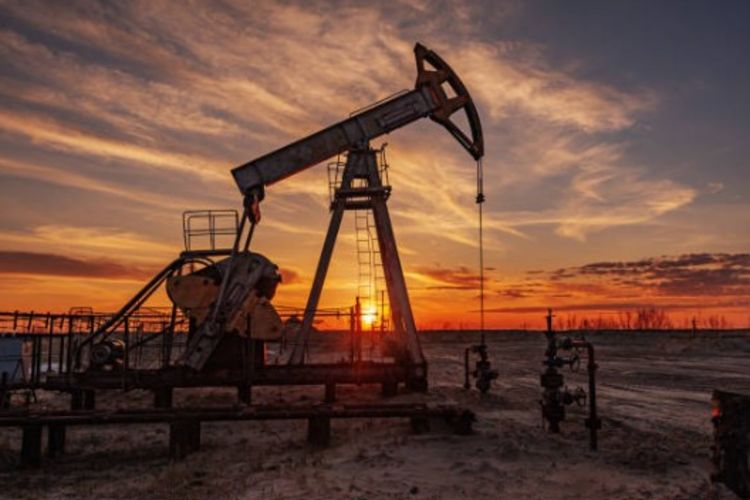
The prices of crude oil have a huge impact on India’s finances with New Delhi being a net importer of crude. When global oil prices rise, the impact is felt across transportation costs, higher input costs, and higher inflation along with a dwindling rupee. The reverse is equally powerful. A decline in crude prices can ease economic pressures on various fronts.
This possibility is one of the most optimistic things for 2027. The outlook for the next financial year is benign and Chief Economic Advisor (CEA) V Anantha Nageswaran said that 2027-28 could turn out to be a particularly favourable year for India, given international oil prices remain moderate. Speaking at the annual general meeting of the Federation of Indian Chambers of Commerce and Industry (FICCI), he suggested that India could even face an unusual problem next year- managing an appreciating rupee rather than trying to prevent it from weakening. This hinges on two developments; one is lower energy prices and the second is the possibility of stronger international capital flows into India.
READ | Retail inflation: Rising food prices expose a weak spot in India story
India’s imports at 90% of its crude oil requirements make the nation particularly vulnerable to international price movements. According to the Petroleum Planning and Analysis Cell, crude oil import dependence reached 88.6% in FY26, compared with 84.4% in FY21. The country imported 246.6 million tonnes of crude oil worth approximately $126 billion in FY26. If the international crude prices go down even slightly, the effect on the import bill is massive.
The World Bank’s November 2026 outlook projects Brent crude to average around $79 a barrel in 2027, declining further to $70 in 2028 if global supply recovers and geopolitical disruptions ease. The US Energy Information Administration expects Brent to average $77 in the fourth quarter of 2027. Goldman Sachs, however, has a cautious forecast and projects an average of $88 for 2027.
The impact of higher crude on everyday economics
High crude oil prices also mean higher cost of transporting food, manufacturing goods and operating machinery. Lower petroleum prices can therefore reduce costs across the economy.
READ | Retail inflation may prove harder to tame than to slow
A Reserve Bank of India’s research paper released in July 2025 titled ‘Revisiting the Oil Price and Inflation Nexus in India’, estimated that a 10% increase in international crude oil prices can raise headline inflation by around 20 basis points. The impact is transmitted through both direct and indirect channels. Fuel and light account for approximately 9% of the Consumer Price Index basket, but the wider effect on transportation and production costs makes the actual economic influence considerably larger.
The second benefit comes through the current account. A lower oil import bill reduces the amount of foreign exchange India needs to pay for essential energy supplies. This in turn leads to lower merchandise trade deficit and better support for the rupee. India’s crude oil import bill fell from $158 billion in FY23 to $126 billion in FY26, due to changes in international prices as well as import volumes. A further decline in prices may improve the merchandise trade balance and help moderate the current account deficit. A lower demand for dollars to finance oil imports can reduce pressure on the rupee.
However, lower input costs and lower retail inflation may not happen together. Cheaper crude does not mean cheaper petrol, diesel or other petroleum products. The extent of the benefit depends on how oil marketing companies and the government respond to changes in international prices.
This is where India’s fuel pricing policy becomes important. Although petrol and diesel prices were deregulated in 2010 and 2014 respectively, retail prices do not always move in tandem with global crude prices. The government imposes levies on petrol and diesel to mobilise revenues and consumers do not always receive the full benefit of cheaper oil. Government finances also need stability. But if the objective is to use cheaper energy to stimulate consumption and economic activity, some of the savings must reach households and businesses. Otherwise, the inflation dividend from falling oil prices will not materialise.
READ | India’s inflation challenge goes beyond interest rates
Oil movements can influence India’s macroeconomic position massively. A 2019 RBI study on crude price shocks estimated that a $10 per barrel increase in oil prices could raise inflation by approximately 49 basis points and worsen the fiscal deficit by 43 basis points of GDP if the government absorbed the entire price shock instead of passing it on to consumers. The findings show how much room cheaper oil could create when the direction of the price movement is reversed.
The next oil cycle could provide India with something valuable that is breathing room. Lower import costs, lower inflation and stronger external balances can create favourable conditions for investment and consumption. India has benefited from periods of relatively cheap oil but has not resolved its dependence on imported energy. If the anticipated windfall arrives in FY28, the priority should be to use it to strengthen energy infrastructure, expand domestic production, improve storage capacity and make manufacturing more competitive. Otherwise, the country may enjoy another temporary reprieve and find itself in the same position when the next geopolitical or supply shock arrives.
The opportunity is not buying cheaper oil but to use cheaper oil to make India less vulnerable to the next expensive cycle.